
Table of Contents
Introduction

Welcome To MovieAnimeX ! You can be entertained by some anime. You can be impressed by certain anime. Then there are extraordinary manga like Monster, the kind of series that sneaks into your head and won’t go away. Discussions on the 2004 release of Monster, an anime based on the highly regarded manga by Naoki Urasawa, nearly always come to the same conclusion: this is not just a fantastic anime, but also one of the most eerie and masterfully crafted psychological thrillers ever produced.
Monster’s strength is not due to its loudness, speed, or spectacle. It’s self-control. It’s intelligence. It is the horrifying notion that the worst beasts don’t necessarily stain, roar, or destroy cities. Occasionally, they speak softly, smile politely, and then vanish before anyone notices.
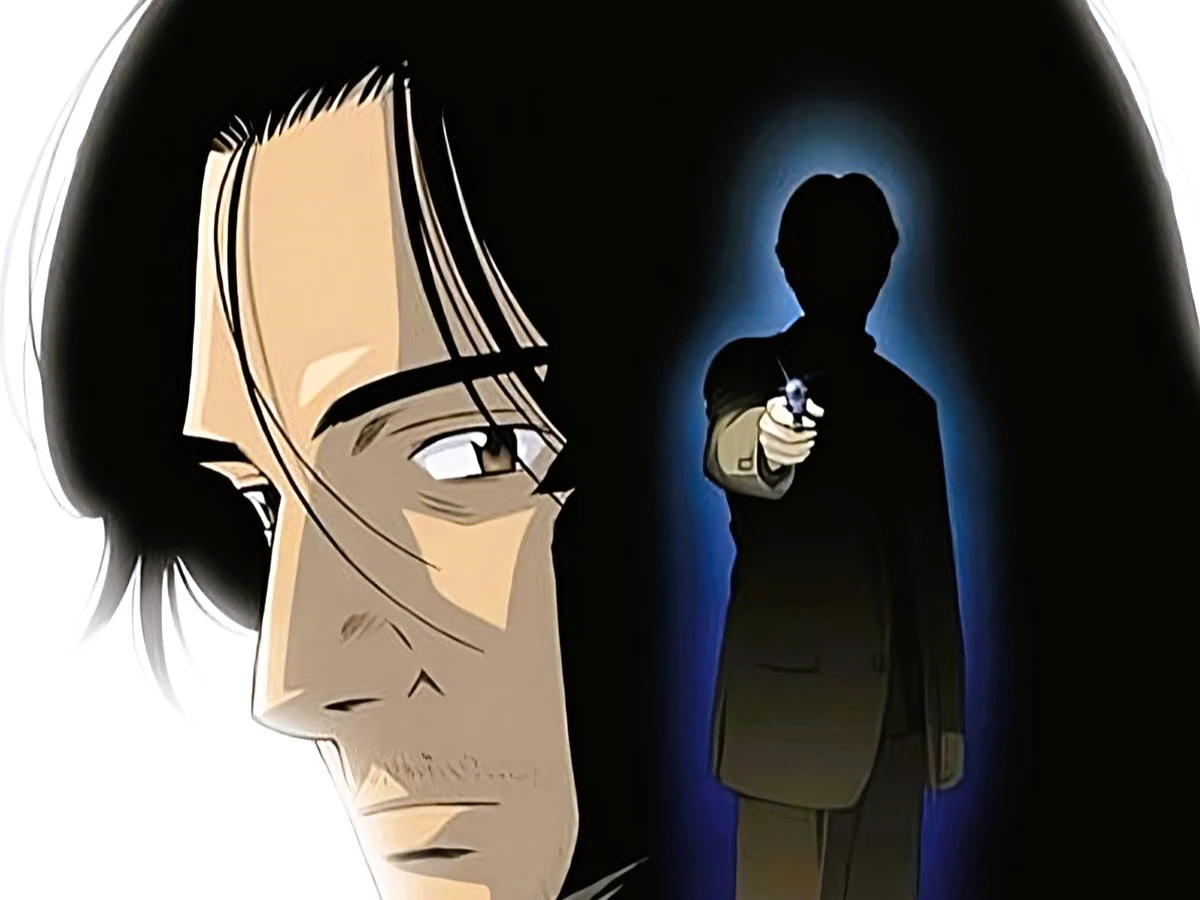
Dr. Kenzo Tenma, a man of principles whose life is destroyed by a single decision, is at the heart of this terrifying tale. Johan Liebert, one of the most terrifying characters in anime history, stands in opposition to him. Superpowers and chaos on the battlefield are not the foundation of their war. Morality, guilt, identity, and the thin line separating good and evil are its foundations.
That is why Monster 2004 review conversations still matter today. The anime has aged into legend because it respects its audience, rewards attention, and delivers a psychological experience that feels deeper with every episode.
What Is Monster About?
Monster follows Dr. Kenzo Tenma, a talented brain surgeon in Germany who makes an important choice early in the narrative, without revealing any significant plot points. He feels he has done the right thing when he decides to preserve the life of a small child instead of a politically significant patient. However, that decision starts a series of events that drag him into a vast, horrible nightmare.
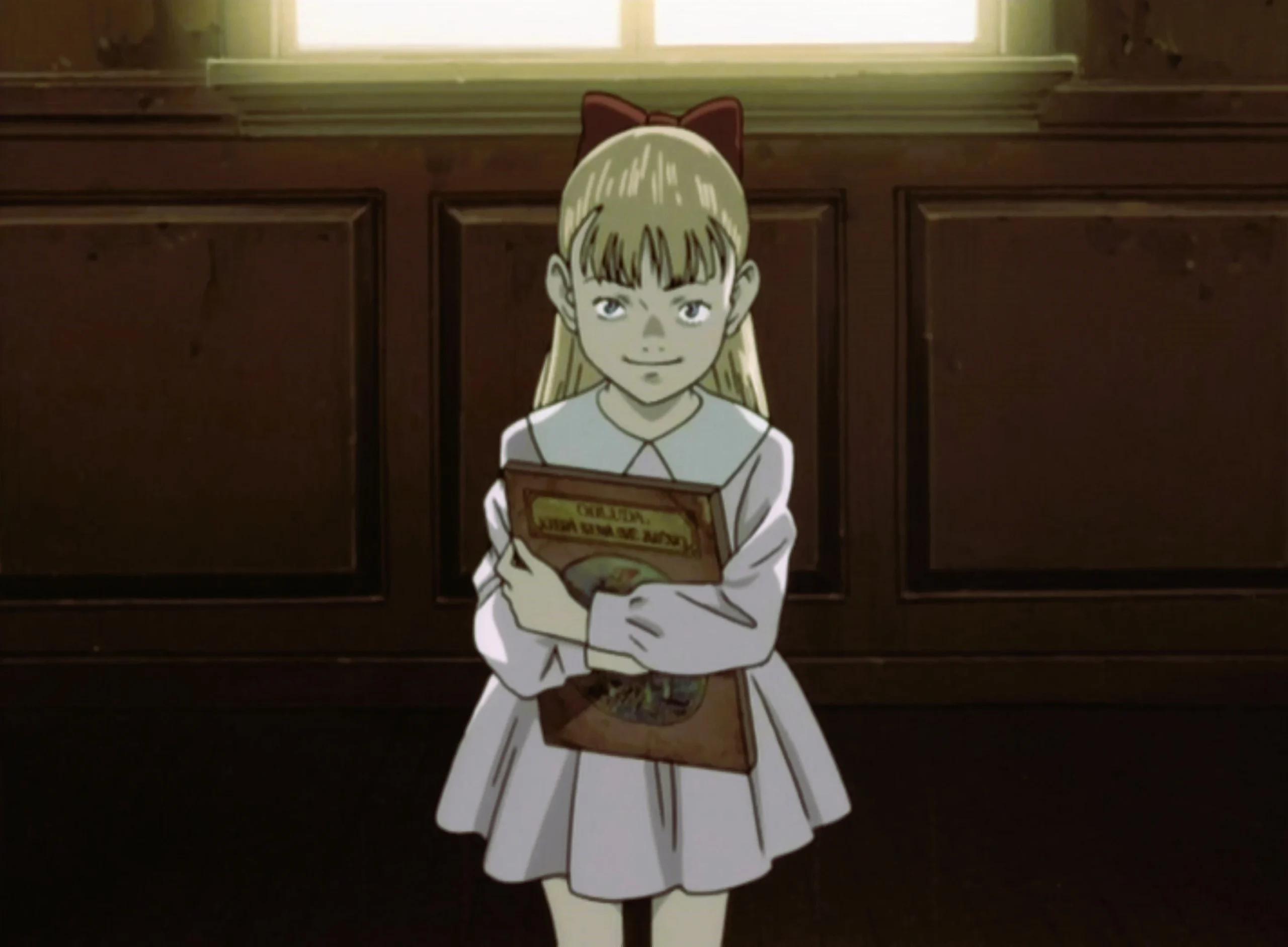
That boy is Johan Liebert, and he is not an ordinary child. As the story unfolds, Tenma is forced to confront the possibility that he may have saved someone who should never have lived. What begins as a moral dilemma slowly transforms into a gripping chase across Europe, where memory, trauma, identity, and manipulation all become part of a larger and more disturbing puzzle.
This is not a simple good-versus-evil story. Monster is a slow, careful, deeply human thriller about consequences, responsibility, and the hidden damage people carry inside them.
Why Monster Stands Above Most Anime
A Story That Respects the Audience
One of the biggest reasons Naoki Urasawa Monster remains so admired is that it never talks down to the viewer. It trusts you to pay attention. It trusts you to notice small details, to connect emotional threads, and to understand that silence can be as important as dialogue.
Every scene feels deliberate. Every conversation has weight. Every character, even the minor ones, seems to exist beyond the frame. That realism makes the world of Monster feel alive in a way many thrillers never achieve.
Slow Burn Storytelling Done Right
Monster is not an anime that rushes to impress you. It takes its time, and that patience is one of its greatest strengths. The tension is not created through endless action; it is created through dread, atmosphere, and the slow realization that everything is connected.
This is what makes it one of the best psychological thriller anime ever made. The story constantly builds pressure, but never wastes it. Episodes do not feel like filler. They feel like pieces of a larger nightmare moving into place.
Realistic Characters and Human Psychology
The characters in Monster behave like people, not anime archetypes. They hesitate. They lie. They regret. They protect themselves. They fail to fully understand each other. That kind of psychological realism is rare, and it gives the series tremendous emotional power.
Even the villains are not written as cartoonish evil for the sake of drama. The fear in Monster comes from the idea that human beings can become horrifying through trauma, manipulation, abandonment, and choice.
Moral Dilemmas That Stay With You
The series asks uncomfortable questions. What does it mean to save a life? Is a good action still good if it leads to disaster? Can someone be responsible for evil they did not intend? Can a person escape the consequences of the past?
These questions do not fade when the credits roll. They linger. That is why Monster anime analysis so often feels more like literary criticism than entertainment commentary.
Dr. Kenzo Tenma: One of Anime’s Greatest Protagonists
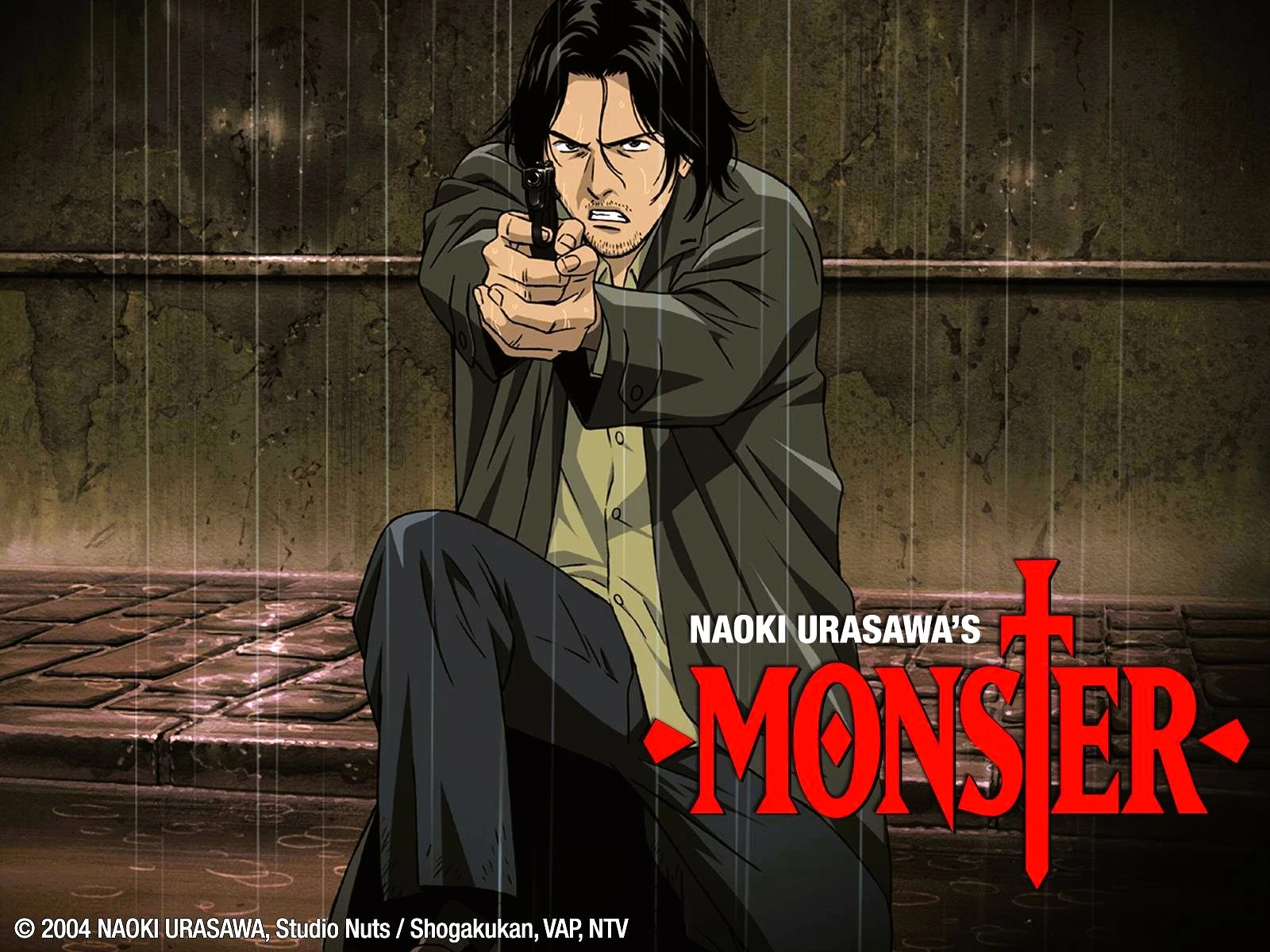
Dr. Tenma is one of the most compelling leads in anime because he is not trying to be heroic in the usual sense. He is a good man trying to remain good in a world that keeps punishing him for it.
At the beginning, Tenma is a successful surgeon with a stable future. But once his conscience pulls him into the center of the story, his life becomes a long test of morality, endurance, and identity. He is not perfect. He makes mistakes. He is lonely. He is often unsure whether he is doing the right thing. Yet he keeps moving forward.
That persistence is what makes him unforgettable.
Tenma’s journey is powerful because it feels deeply human. He is not chasing glory. He is chasing the truth, and at the same time, he is trying to preserve the last pieces of his own soul. In many ways, he represents the idea that goodness is not weakness. It is discipline. It is pain. It is the decision to keep acting with compassion even when the world gives you every reason not to.
He is one of the strongest reasons Is Monster anime worth watching remains such an easy question to answer: yes, because characters like Tenma are rare.
Johan Liebert: Anime’s Most Terrifying Villain

If Tenma is the soul of Monster, Johan Liebert is its shadow.
Johan is often discussed as one of the best anime villains of all time, and that reputation is deserved. He does not need brute force to terrify people. He does not need exaggerated theatrics. His power comes from psychology, presence, and the unsettling emptiness he radiates.
What makes Johan so disturbing is that he feels less like a villain in the traditional sense and more like a human void. He manipulates, influences, and corrupts without revealing much of himself. He becomes frightening precisely because he is so difficult to understand.
This is a villain defined by absence rather than spectacle. He does not just harm people. He erases their sense of safety, identity, and meaning. In many stories, the monster is visible. In Monster, the monster can be gentle, intelligent, and almost invisible until it is far too late.
That is why Johan Liebert remains such a legendary figure in anime. He is not simply evil. He is the fear that evil can wear the face of a beautiful, ordinary human being.
Themes That Make Monster a Masterpiece
Good vs Evil
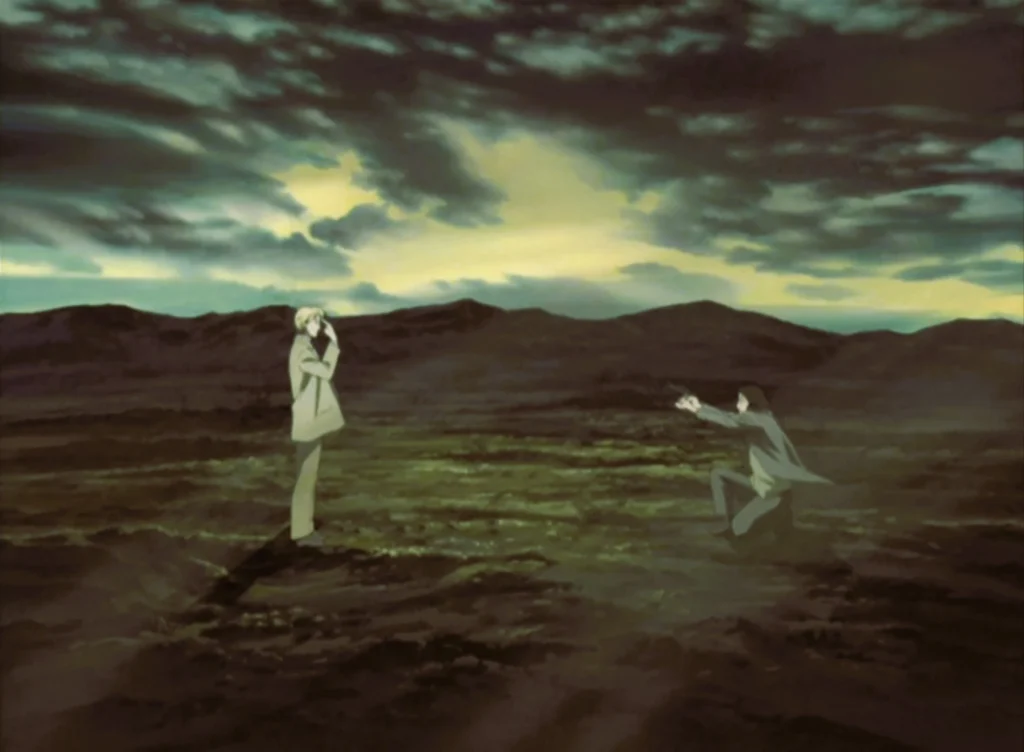
Monster never reduces morality to a simple clash of heroes and villains. Instead, it explores how fragile goodness can be when it is tested by suffering, fear, and manipulation. Tenma and Johan represent two opposite responses to human pain, and the contrast between them is fascinating.
The Value of Human Life
Few anime treat life and death with the seriousness Monster does. Tenma’s original decision is rooted in the belief that every life matters equally. The series keeps returning to this idea, challenging it, questioning it, and ultimately reaffirming it in a way that feels both painful and profound.
Identity and Purpose
Many characters in Monster struggle with who they are and what they are meant to become. The series suggests that identity is not fixed. It can be damaged, rewritten, or stolen. That makes the emotional stakes far larger than a simple pursuit narrative.
Trauma and Human Nature
Trauma in Monster is not used as decoration. It is the engine of the story. The anime shows how childhood pain, abandonment, and emotional neglect can shape the adult self in devastating ways. It does not excuse evil, but it does help explain how monsters can be made.
The Nature of Monsters
The title itself becomes more meaningful as the series unfolds. Monster is not only about one terrifying person. It is about the monster inside society, inside memory, inside guilt, and sometimes inside ordinary human decisions.
That thematic depth is a huge part of why many fans call it a Monster anime masterpiece.
Animation, Direction, and Sound Design
Madhouse’s production may not rely on flashy modern techniques, but it serves the material beautifully. The animation is grounded, realistic, and focused on expression rather than excess. That choice helps the series feel more believable and therefore more disturbing.
The direction is outstanding. Monster knows how to use stillness, framing, and pacing to create dread. A long pause, a quiet hallway, or a distant gaze can be more effective than an action sequence. The tension often comes from what is not shown.
The soundtrack strengthens this atmosphere with haunting, understated music that lingers in the background like a memory you cannot shake. It never overwhelms the scene. Instead, it deepens the emotional and psychological weight.
Voice acting also plays a major role. The performances give the characters texture, vulnerability, and menace. Johan, especially, benefits from a delivery style that feels calm on the surface and deeply unsettling underneath.
What Makes Monster Different From Modern Anime?

Modern anime often moves fast. It wants hooks, twists, and immediate payoff. Monster works differently. It asks for patience, attention, and trust.
That makes it feel almost rebellious by today’s standards. It does not chase trends. It does not depend on fan service or constant escalation. It builds suspense the old-fashioned way: through character, consequence, and time.
This is why Monster still stands out in conversations about psychological anime recommendations. It is not for viewers who only want instant thrills. It is for viewers who appreciate stories that unfold like a slow, inevitable collapse.
Strengths and Weaknesses
Strengths
The biggest strengths of Monster are obvious but still worth emphasizing: deeply intelligent storytelling, exceptional character writing, frightening psychological depth, a legendary villain, realistic world-building, emotional impact, and suspense that grows rather than fades.
Weaknesses
The slow pacing will not work for everyone. Monster demands patience, focus, and emotional investment. Viewers looking for constant action, fast twists, or short-term entertainment may find it too restrained. Its long runtime is part of its strength, but also part of its challenge.
That honesty matters, because a fair Monster anime review should acknowledge that its brilliance is inseparable from its deliberate pace.
Monster Ending Explained (Spoiler-Free Discussion)
The ending of Monster continues to be discussed because it feels thematically rich rather than simply shocking. It does not exist only to close plot points. It asks the viewer to reflect on the meaning of humanity, responsibility, and the possibility of change.
That is why the phrase Monster anime ending explained remains such a popular search. Fans do not just want to know what happened. They want to understand what it means.
Without spoiling specific events, the ending works because it remains true to the heart of the series. It does not betray its themes. It reinforces them. And that makes it powerful long after the final episode.
Is Monster Worth Watching in 2026?
Absolutely.
In fact, Monster may be even more valuable in 2026 than it was when it first aired, because modern viewers are constantly searching for deeper, more adult-oriented anime that do more than simply entertain. Monster delivers exactly that.
It is worth watching if you love mystery, psychological drama, morally complex characters, and stories that reward serious attention. It is also one of the best choices for viewers looking for anime that feel more literary than formulaic.
Even in a crowded landscape, Monster remains relevant because it does not depend on trend cycles. It survives on craftsmanship. That is why it continues to appear in discussions of the best psychological thriller anime ever made.
MovieAnimeX Rating
MovieAnimeX Rating: ⭐ 8.7/10
| Category | Score |
|---|---|
| Storytelling | 9.5/10 |
| Characters | 9.8/10 |
| Psychological Depth | 10/10 |
| Animation & Direction | 8.5/10 |
| Soundtrack & Atmosphere | 8.5/10 |
| Entertainment Value | 7.8/10 |
| Rewatch Value | 8.8/10 |
Score Justification
Monster earns its 8.7/10 because it is exceptional where it matters most: storytelling, character work, and psychological depth. Dr. Kenzo Tenma is one of anime’s most human protagonists, and Johan Liebert remains one of the most terrifying antagonists ever written. The anime’s mature themes, realistic world-building, and sustained suspense make it a standout Monster anime masterpiece.
The score is not higher because the anime asks a lot from its audience. The pacing is slow, the runtime is long, and it is not built for viewers who want fast-paced action or constant payoff. But for those willing to give it full attention, the reward is immense.
Final Rating Statement:
MovieAnimeX Rating: ⭐ 8.7/10
Final Verdict
Monster is not just an anime you watch. It is an anime you experience, absorb, and remember. It moves with purpose, speaks with intelligence, and lingers with emotional force. Its greatest strength is that it understands something many thrillers forget: true fear is not loud. True fear is quiet, human, and deeply believable.
For its brilliant writing, unforgettable characters, and haunting psychological force, Monster remains one of the greatest achievements in anime storytelling. It is a benchmark for the genre, a masterclass in suspense, and a reminder that some stories do not end when the screen goes dark.
They stay with you.
Your Vote:


1 Comment
Comments are closed.