
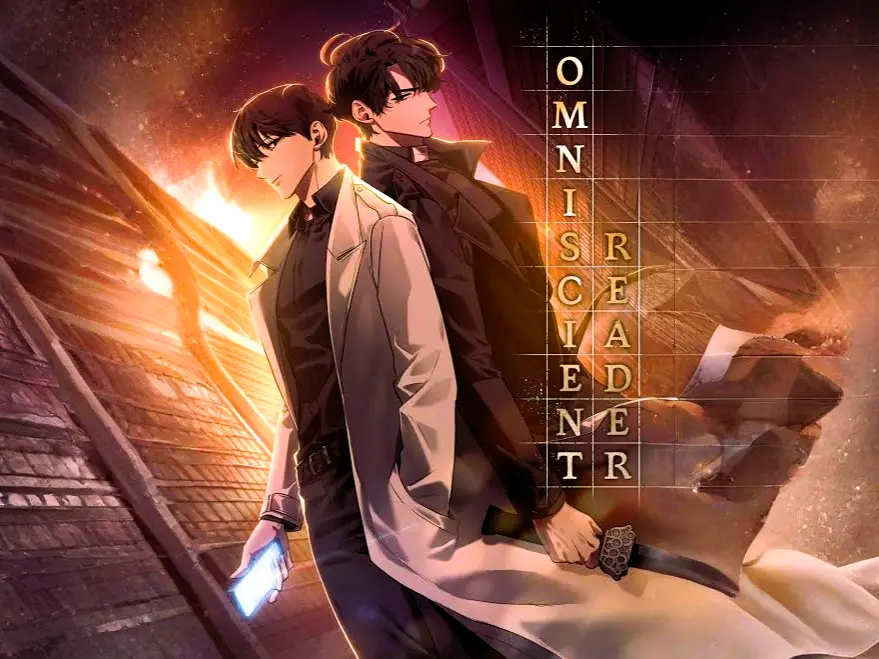
Welcome to MovieAnimeX! After hearing about Omniscient Reader’s Viewpoint everywhere—through reels, social media, and across the internet—I couldn’t help but wonder: what exactly is this series, and why is everyone talking about it? So I decided to dive into the manhwa myself, and after reading it, I finally understood the hype. If you’re also curious, here’s everything you need to know. Let’s get started!
If you’ve been anywhere near anime, manhwa, or web novel spaces lately, Omniscient Reader’s Viewpoint (or ORV) is impossible to miss. Fan art of a certain reader and regressor duo floods timelines, emotional edits hit you in the feels, and “just one more chapter” stories are everywhere. The hype is real, but for good reason.
This isn’t just another apocalypse story with levels and skills. ORV is smarter, sadder, funnier, and more human than it first appears. It respects your intelligence while breaking your heart, and it does something rare: it makes you care about what stories themselves mean to the people living inside them.
Table of Contents
What Makes Omniscient Reader’s Viewpoint So Special?
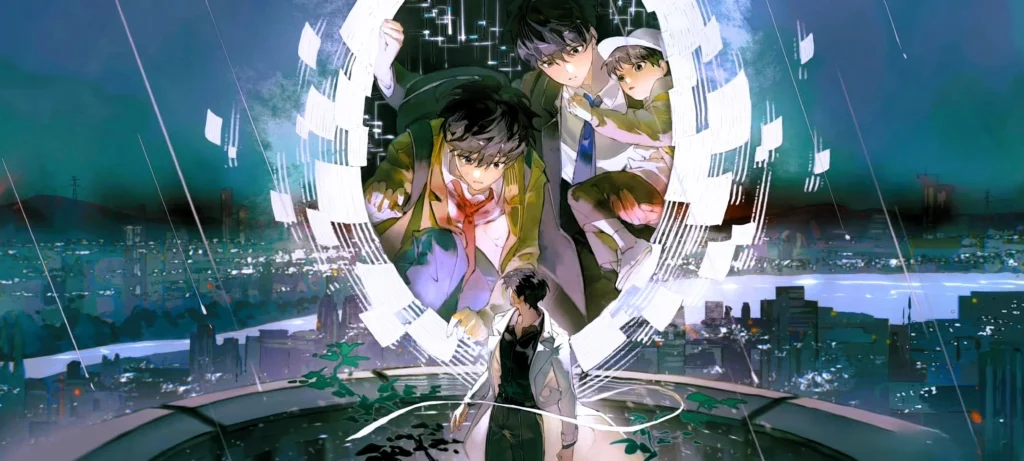
On paper, the premise sounds straightforward. But the execution is anything but.
Omniscient Reader’s Viewpoint began as a Korean web novel by the married author duo singNsong. It later received a gorgeous manhwa adaptation by artist Sleepy-C, and an anime is officially on the way (targeted for 2027). The story follows an ordinary guy whose deep knowledge of a niche web novel suddenly becomes the key to surviving when that novel’s world crashes into reality.
What sets it apart is how it plays with perspective. It’s a story about a reader stepping into the story he loves—and realizing that knowing the plot doesn’t make things easier. Every choice ripples outward. Every sacrifice costs something real. And the line between “protagonist” and “side character” gets blurry fast.
It’s meta without being pretentious, emotional without feeling manipulative, and action-packed while still having plenty of quiet, character-driven moments that hit harder than any fight scene.
The Story Premise (No Major Spoilers)
Kim Dokja is a 28-year-old office worker living a painfully average life. His one true escape is a long-running, poorly written web novel called Three Ways to Survive in a Ruined World. While everyone else dropped it years ago, Dokja stuck with it until the final chapter. He’s the only person in the world who knows how the entire story ends.
Then, on an ordinary subway ride home, the world ends exactly like it does in the novel.
Suddenly, humanity is thrown into a series of deadly Scenarios—forced challenges that demand survival at any cost. Most people are terrified and clueless. But Dokja? He recognizes every monster, every rule, and every upcoming disaster. His “useless” hobby becomes the ultimate survival tool.
The catch? The original story wasn’t written with him in mind. The more he changes things to save people, the more the future diverges from what he remembers. Knowledge is power… but it’s also a heavy burden.
Meet the Main Characters
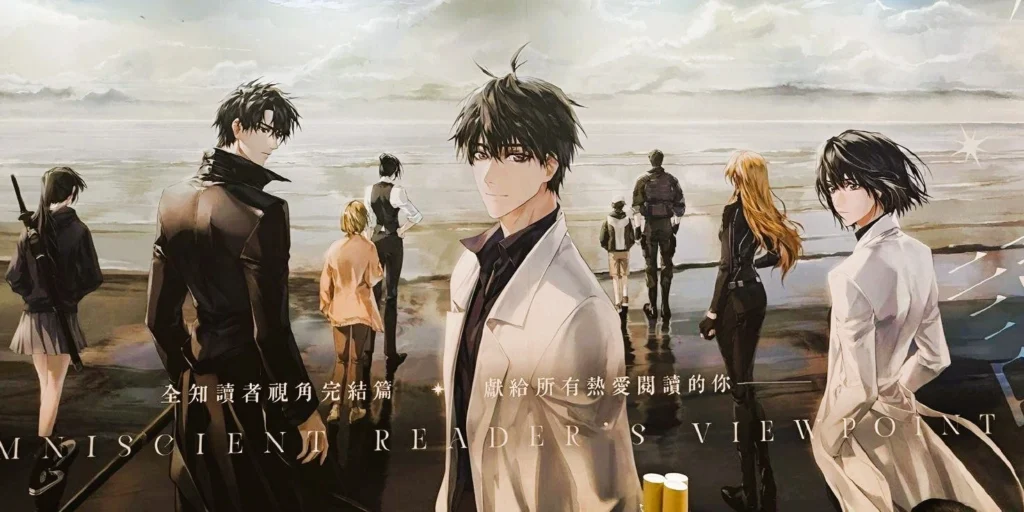
Kim Dokja — The Reader
Dokja isn’t your typical overpowered hero. He’s thoughtful, sarcastic, and surprisingly selfless. His power comes from analysis, preparation, and an almost encyclopedic memory of the original novel. Watching him turn seemingly impossible situations around through sheer cleverness is incredibly satisfying. He’s the kind of protagonist you root for not because he’s the strongest, but because he tries so damn hard for the people around him.
Yoo Joonghyuk — The Regressor
The original “hero” of the novel Dokja read. Stoic, terrifyingly competent, and carrying the weight of countless failed timelines. In the flesh, he’s far more complicated than the character Dokja thought he knew. Their evolving dynamic is one of the best parts of the entire series—equal parts tension, respect, frustration, and something deeper.
The supporting cast is equally strong. Characters like the sharp-witted Han Sooyoung, fierce Jung Heewon, reliable Lee Hyunsung, kind Yoo Sangah, and the younger members of the group form a found family that feels earned. No one is just there to fill space; each has their own growth and role to play.
The World of ORV: Key Concepts Explained
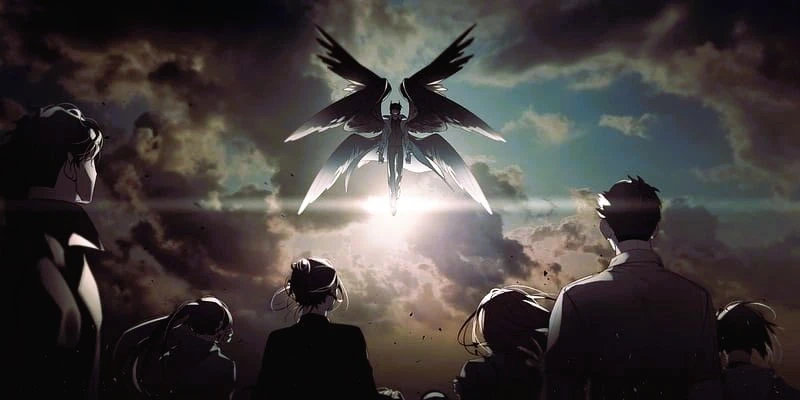
Scenarios
These are the life-or-death missions imposed on humanity. They start relatively simple and grow increasingly brutal and creative. Completing them grants coins (currency), skills, and progression. Failing… well, you usually don’t get a second chance.
Constellations
God-like beings (drawn from myths, legends, and history) who watch the Scenarios like a cosmic reality show. They can sponsor humans, granting power and messages, but they’re often motivated by entertainment value. Their sponsorships add another fascinating layer to the story.
Star Stream
The massive broadcasting system that turns Earth’s apocalypse into entertainment for the universe. Run by mischievous Dokkaebis, it governs the rules, rewards, and overall game-like structure of this new world.
The Power System
Growth comes from overcoming Scenarios, gaining attributes, skills, and stigmas. But the real power often lies in stories—your reputation, your choices, and the narrative you build. It’s clever and ties beautifully into the themes.
Art, Storytelling & Themes
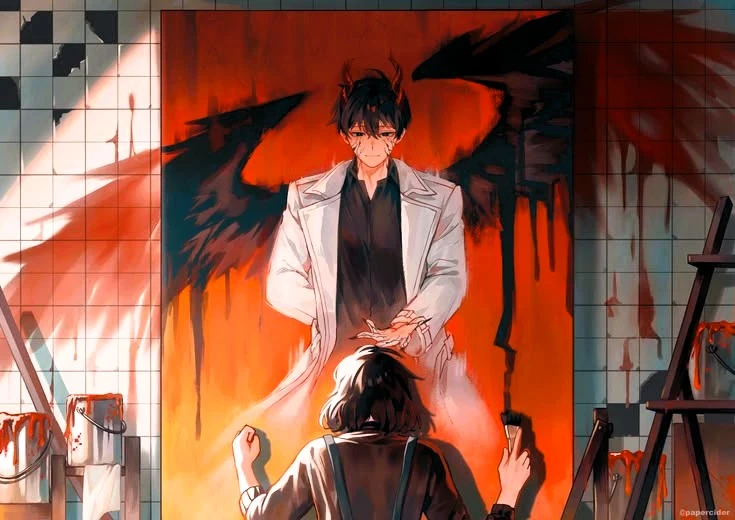
The manhwa’s art by Sleepy-C is excellent—dynamic fight scenes, expressive faces, and a great sense of scale. The novel version gives you even more internal monologue and world-building depth.
Thematically, ORV explores survival versus actually living, the weight of destiny, the cost of sacrifice, friendship, morality, and—most uniquely—the power of stories and readers. It asks what it means to be the “hero” of your own life and whether you can ever truly escape the narratives that shape you.
Is It Worth Reading?
Absolutely. If you love smart protagonists, found family, long-term payoff, emotional depth, and stories that get better the further you go, ORV is one of the best. It’s frequently called one of the top Korean webtoons, best fantasy manhwa, and modern classics for a reason.
It does take a little patience in the early chapters as the system and world settle in, but once it clicks, it’s hard to put down.
Who should read it? Fans of survival stories, character-driven plots, meta fiction, and anyone who enjoys web novels or manhwa with real emotional weight.
Reading Order & Where to Read
- Manhwa (recommended starting point for most people) — Beautiful and accessible on Line Webtoon.
- Web Novel — For the full experience, extra details, and side stories.
Support official releases where possible (Ize Press/Yen Press for English novel volumes).
Current Adaptation Status
- Manhwa: Ongoing and excellent.
- Anime: Officially announced, in production, expected around 2027.
Final Thoughts
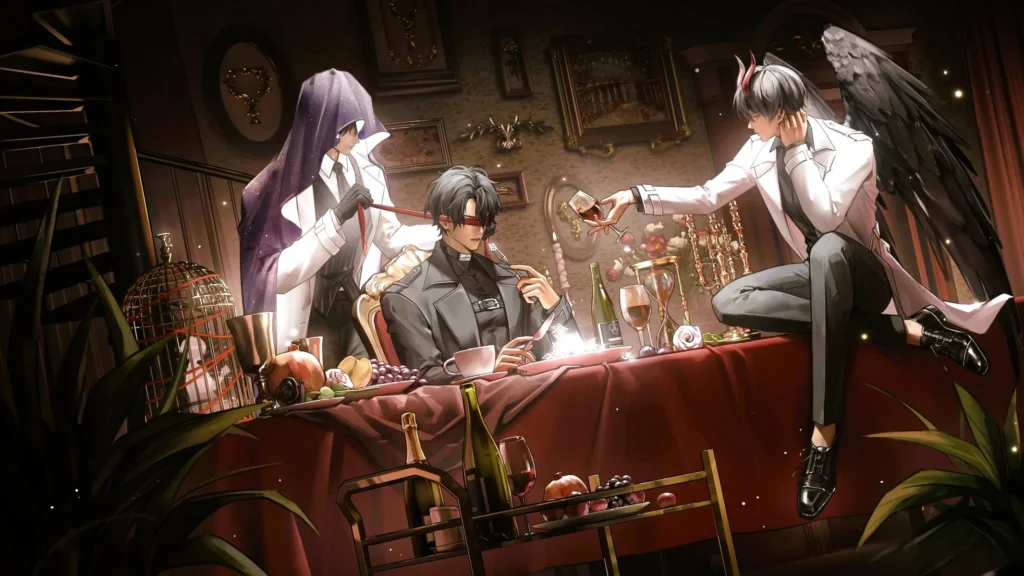
Omniscient Reader’s Viewpoint didn’t just ride the wave of popular apocalypse stories—it elevated the genre. It takes familiar tropes and turns them into something thoughtful, heartfelt, and genuinely moving. By the end, you’re not just invested in the survival of the characters; you’re invested in what their stories mean.
It’s the kind of series that makes you laugh, cry, cheer, and think long after you’ve finished. In a crowded field, ORV feels special because it understands that the best stories aren’t just about saving the world—they’re about the people willing to read, fight, and change it.
If you’ve been on the fence, this is your sign. Jump in. Kim Dokja’s company is waiting.
Have you started reading Omniscient Reader’s Viewpoint yet? If so, who’s your favorite character so far? Drop your thoughts in the comments—I read every one. And share this with anyone who needs a new obsession.
Stay tuned to MovieAnimeX for more deep dives into the stories we love.
1 Comment
Comments are closed.