
Table of Contents
Introduction
Welcome To MovieAnimeX ! When discussing the greatest villains in manga and anime history, two names consistently dominate the conversation: Johan Liebert from Monster and Friend from 20th Century Boys.
Both characters were created by legendary manga author Naoki Urasawa. Both manipulate people rather than overpower them physically. Both leave destruction in their wake. And both represent some of the most terrifying antagonists ever written.
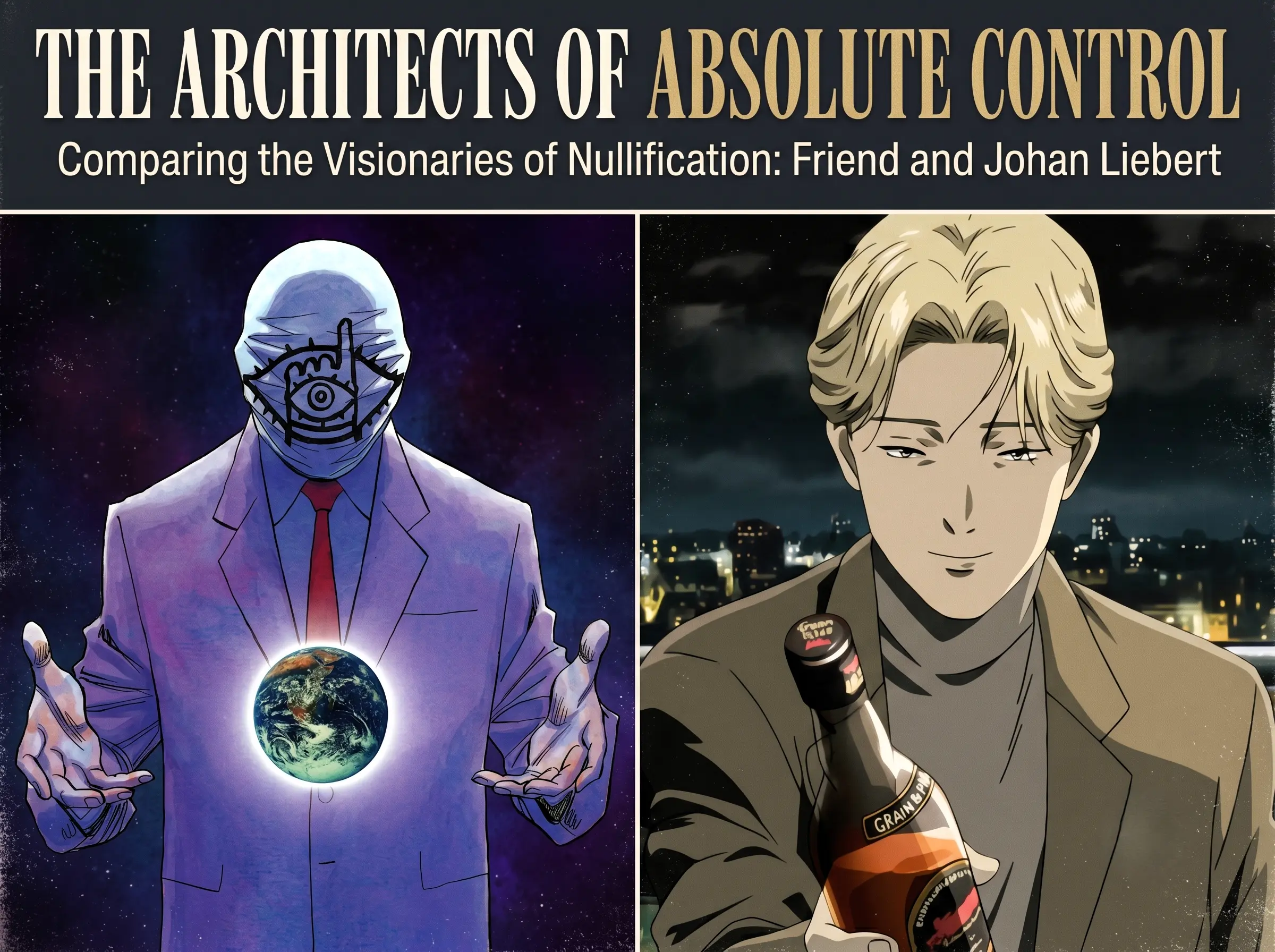
But if these two masterminds were compared side by side, who truly stands as Urasawa’s greatest villain?
The answer is more complicated than many fans think.
Johan Liebert: The Monster Without a Face

Johan Liebert is not frightening because of physical strength.
He is frightening because he understands people better than they understand themselves.
Throughout Monster, Johan operates like a ghost. He rarely needs to commit violence personally because he can convince others to do it for him. His greatest weapon is manipulation.
Johan represents pure psychological terror.
He can identify a person’s deepest insecurity, fear, or weakness and use it against them with devastating precision.
What makes Johan unique is his emptiness.
Unlike many villains who seek power, wealth, or revenge, Johan often appears driven by something far darker and more existential. He challenges the very meaning of identity, morality, and human existence.
His presence creates fear even when he isn’t on screen.
That is why many fans consider Johan the greatest psychological villain ever created.
Friend: The Master of an Entire World
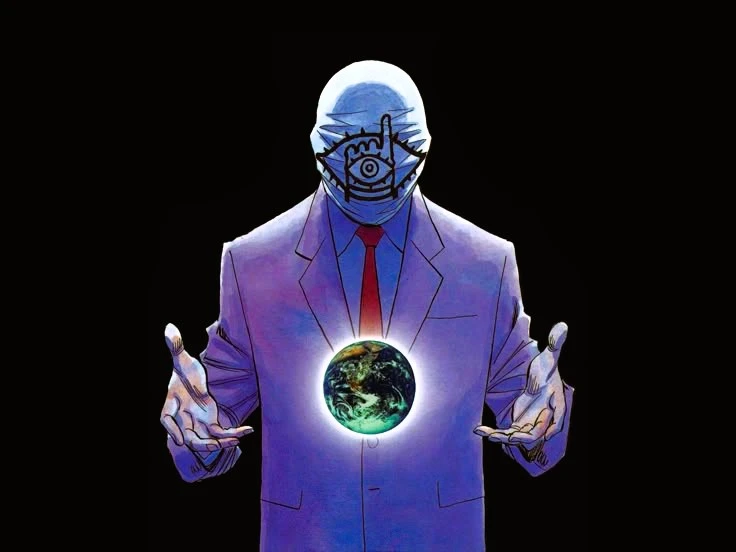
While Johan manipulates individuals, Friend manipulates society itself.
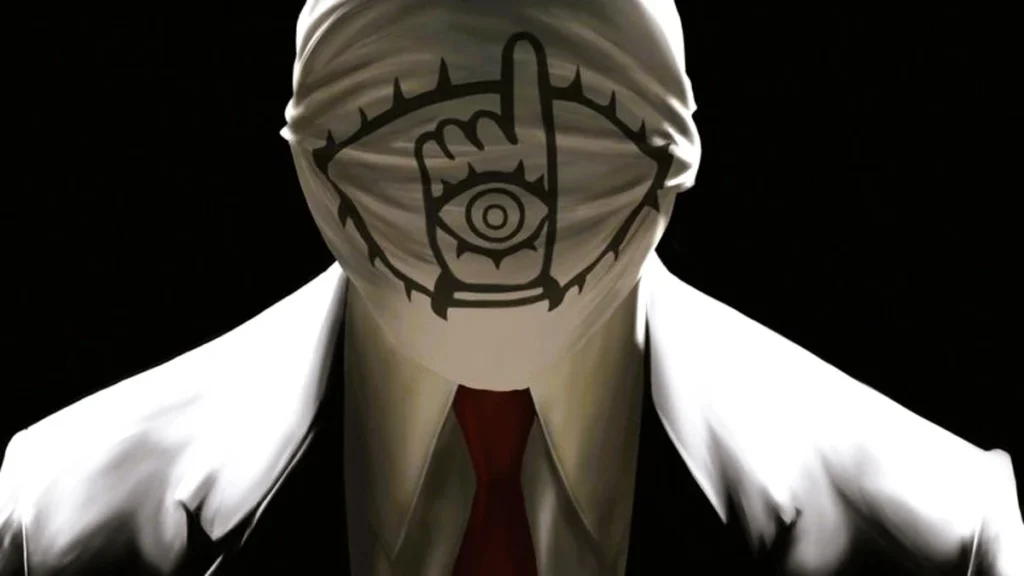
The central antagonist of 20th Century Boys begins as a mysterious figure hiding behind a mask. Over time, he transforms into something far more dangerous: a symbol.
Friend creates cult-like devotion on a global scale.
He doesn’t simply influence people.
He builds movements.
He rewrites history.
He shapes entire generations.
The terrifying aspect of Friend is that millions willingly follow him.
Unlike Johan’s intimate psychological warfare, Friend operates on a much larger battlefield.
His influence extends into politics, media, culture, religion, and public perception.
In many ways, Friend feels like a realistic depiction of how charismatic leaders can reshape entire societies.
Intelligence Comparison
Johan Liebert
Johan’s intelligence is surgical.
He understands individual psychology better than almost anyone in fiction.
His plans often rely on predicting human behavior with frightening accuracy.
Every conversation becomes a weapon.
Every interaction becomes an opportunity.
Friend
Friend’s intelligence is strategic.
Rather than focusing on individuals, he thinks in terms of populations.
His schemes span decades.
He manipulates institutions rather than people alone.
Winner: Friend
While Johan may be the superior psychologist, Friend demonstrates a broader level of strategic planning and long-term vision.
Manipulation Comparison

Johan Liebert
Johan can destroy lives with words alone.
He turns ordinary people into murderers.
He creates chaos without lifting a finger.
His manipulation feels deeply personal.
Friend
Friend creates global movements.
He inspires absolute loyalty among millions.
His influence survives even when his identity remains hidden.
Winner: Tie
Johan dominates individuals.
Friend dominates masses.
Both achieve manipulation on extraordinary levels.
Psychological Impact
This category belongs to Johan.
Few fictional villains create the same sense of unease.
Johan’s calm demeanor, emotionless smile, and philosophical worldview make him unforgettable.
He feels less like a person and more like a walking nightmare.
Friend is terrifying because of his power.
Johan is terrifying because of what he represents.
Winner: Johan Liebert
Complexity and Writing
This is where the debate becomes incredibly difficult.
Johan is one of the most psychologically layered characters in manga history.
His motivations, trauma, symbolism, and philosophy create endless discussion.
Friend, however, represents a different kind of complexity.
He embodies nostalgia, childhood dreams, societal influence, cult mentality, and the dangers of collective belief.
Both villains are masterpieces of writing.
Winner: Tie
Symbolism
Johan symbolizes nihilism, identity loss, and the darkness hidden within humanity.
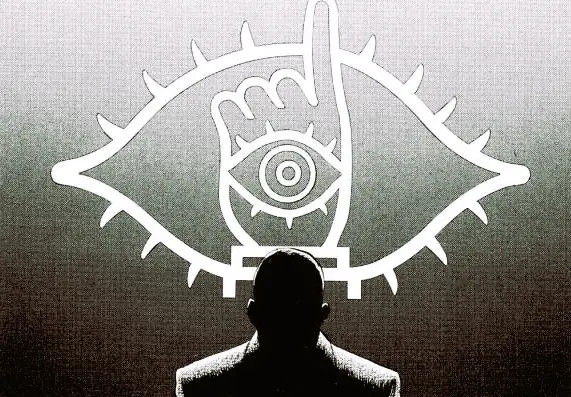
Friend symbolizes blind faith, manipulation of memory, hero worship, and the power of myths.
While Johan’s symbolism is deeply personal, Friend’s symbolism operates on a societal scale.
Winner: Friend
Legacy
Even decades later, Johan Liebert remains the benchmark for psychological anime villains.
Whenever fans discuss the greatest antagonists ever written, Johan’s name appears immediately.
Friend receives enormous praise among manga readers but lacks the mainstream recognition Johan achieved through Monster’s anime adaptation.
Winner: Johan Liebert
Final Verdict
The truth is that Johan Liebert and Friend represent two completely different forms of evil.
Johan is the monster inside humanity.
Friend is the monster inside society.
Johan destroys individuals from within.
Friend reshapes entire civilizations.
If the question is who is more psychologically terrifying, Johan wins.
If the question is who is more powerful and influential, Friend wins.
But if we combine impact, writing quality, psychological depth, memorability, and lasting influence, Johan Liebert narrowly takes the crown.
Not because Friend is weaker.
But because Johan remains one of the rare villains who can make readers question human nature itself.
And that is a level of horror few fictional characters ever achieve.
MovieAnimeX Verdict
Johan Liebert vs Friend
- Intelligence: Friend
- Manipulation: Tie
- Psychological Impact: Johan
- Symbolism: Friend
- Character Writing: Tie
- Legacy: Johan
Overall Winner: Johan Liebert (Extremely Close)
Friend may control the world.
But Johan Liebert controls your mind long after the story ends.

2 Comments
Comments are closed.