Welcome To MovieAnimeX ! Stranger Things has never been just a Netflix series. For nearly a decade, it has been a cultural phenomenon — blending 80s nostalgia, emotional friendships, sci‑fi horror, and blockbuster‑level storytelling. With Season 5 Volume 3, Netflix finally delivered the final episode of Stranger Things, closing the chapter on Hawkins, the Upside Down, and the characters fans grew up with.
The big question is simple: Was the ending worth the wait?
The honest answer is complicated.
The finale is good, emotional, and respectful to the characters — but it is also disappointing in key ways. It plays safe where fans expected something legendary, and it spends far too much time on celebration and conversations instead of delivering the epic, unforgettable climax that Stranger Things always promised.
👉If you like this review and want to help us grow financially, then you can do it by purchasing products in the blog; they are affiliated links. It gives us commissions but no extra cost to you. The affiliated links are indicated by pointing emoji.
Table of Contents
Ratings
- MovieAnimeX:- 7/10
- IMDb:- 8/10
- Rotten Tomatoes Audience Score & Critics Score:- 55% and 86%
Stranger Things Season 5 Volume 3: What Is It?
Season 5 Volume 3 is the final episode of Stranger Things. Unlike previous volumes, this one consists of a single, movie‑length episode, meant to serve as the ultimate conclusion to the series.
This episode was designed to:
- End the battle against the Upside Down
- Resolve the fate of Hawkins
- Give closure to Eleven, Mike, Dustin, Lucas, Will, Max, and the rest
- Answer long‑running mysteries from earlier seasons
In terms of intent, Volume 3 had everything it needed to become one of the greatest TV finales ever made.
What the Finale Does Right

Before talking about the disappointment, it is important to acknowledge what works well in the final episode.
1. Emotional Closure for Characters
The strongest part of the finale is its emotional payoff. The writers clearly cared about giving each major character a sense of closure.
- Eleven’s journey finally feels complete
- Mike and Eleven’s bond is reaffirmed
- Dustin’s emotional growth hits hard
- Lucas and Max’s storyline carries genuine weight
- Will’s arc quietly comes full circle
These moments feel earned because the show spent years building these characters. For long‑time fans, several scenes land emotionally and remind us why we fell in love with Stranger Things in the first place.
2. The Tone Feels Like Classic Stranger Things
The finale captures the core tone of the series:
- Friendship over fear
- Love as a source of strength
- Ordinary kids facing extraordinary horrors
There is warmth, nostalgia, and heart — the DNA of Stranger Things is very much present.
3. A Respectful, Non‑Destructive Ending
Netflix avoided the mistake of shock‑value storytelling. The ending does not exist just to subvert expectations. Instead, it respects the world, the characters, and the audience.
From a storytelling perspective, this makes the ending feel safe, comforting, and emotionally grounded.
Where the Finale Disappoints
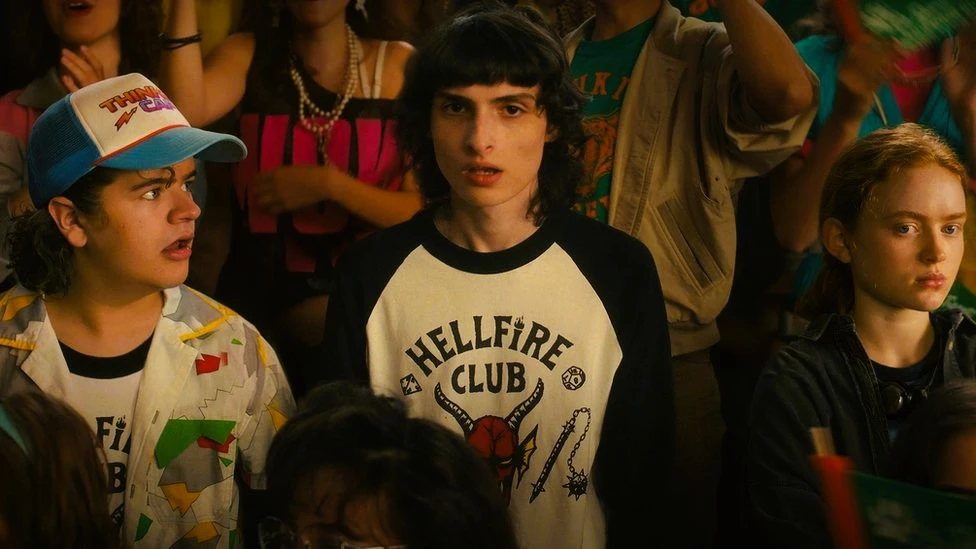
Now comes the part that many fans are struggling with.
1. Lack of an Epic‑Level Final Battle
For a show that introduced creatures like the Demogorgon, the Mind Flayer, and Vecna — the final confrontation feels underwhelming.
Fans expected:
- A large‑scale battle
- High‑stakes action that pushes characters to their limits
- A visually unforgettable showdown
Instead, what we get feels restrained. The danger is there, but the execution never reaches the epic heights promised by earlier seasons.
Compared to Season 3’s Starcourt Mall finale or Season 4’s intense Vecna sequences, Volume 3 feels surprisingly controlled — almost cautious.
2. Too Much Time Spent on Celebration and Talk
One of the biggest criticisms is the runtime allocation.
Nearly one full hour of the episode is spent on:
- Celebrations
- Emotional conversations
- Characters talking about what happened
- Slow, reflective scenes
While emotional moments are important, the balance feels off.
In a final episode, audiences expect:
- Momentum
- Tension
- Escalation
Instead, the story often pauses — repeatedly — to reflect, talk, and celebrate. This pacing choice drains energy from what should have been a constantly rising climax.
3. Playing It Too Safe
The finale chooses emotional safety over narrative boldness.
There are no truly shocking turns. No moments that redefine the series. No scene that makes viewers sit in silence after the credits roll.
For a show that once took big creative risks, the ending feels like it was designed to avoid controversy rather than create history.
Why the Ending Still Works (Even If It Falls Short)

Despite its flaws, the ending is not bad — far from it.
The disappointment comes from expectation, not incompetence.
Stranger Things raised the bar itself. Over the years, it delivered:
- Genre‑defining moments
- Iconic villains
- Emotional devastation
- Cinematic storytelling rarely seen on TV
When the final episode does not surpass those highs, it naturally feels underwhelming.
Yet, as a character‑driven conclusion, it succeeds. The story ends with hope rather than darkness, growth rather than trauma, and memory rather than spectacle.
Themes of the Finale
The final episode reinforces the central themes of Stranger Things:
- Friendship is the real superpower
- Growing up means letting go
- Not every battle ends with destruction
These themes may not deliver jaw‑dropping visuals, but they align with the soul of the series.
Fan Reactions: Divided but Emotional
Fan reactions to Stranger Things Season 5 Volume 3 are deeply divided.
- Some praise the emotional resolution
- Others feel robbed of an unforgettable finale
- Many agree it is good — but not legendary
This division proves one thing: people cared deeply. And that alone is a testament to how powerful Stranger Things has been as a series.
Final Verdict: A Good Ending That Could Have Been Great
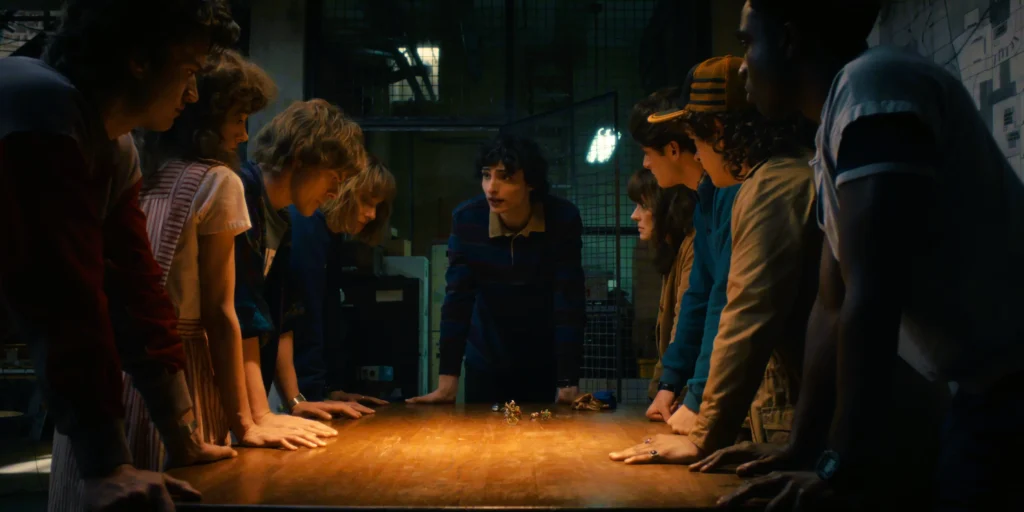
Stranger Things Season 5 Volume 3 delivers a good, heartfelt, and respectful ending, but it stops short of greatness.
It closes character arcs beautifully but wastes valuable time on extended celebration and dialogue. It avoids risk when fans hoped for something epic. It satisfies emotionally, but not cinematically.
If this episode had balanced emotion with spectacle — if it had dared to go bigger — it could have been remembered as one of the greatest TV finales of all time.
Instead, it will be remembered as:
A good ending… to a series that deserved a legendary one.
Still, Stranger Things remains a landmark show — one that defined an era of streaming television and created memories that will last far beyond Hawkins.
And maybe, in the end, that is its greatest victory.