
Table of Contents
Introduction
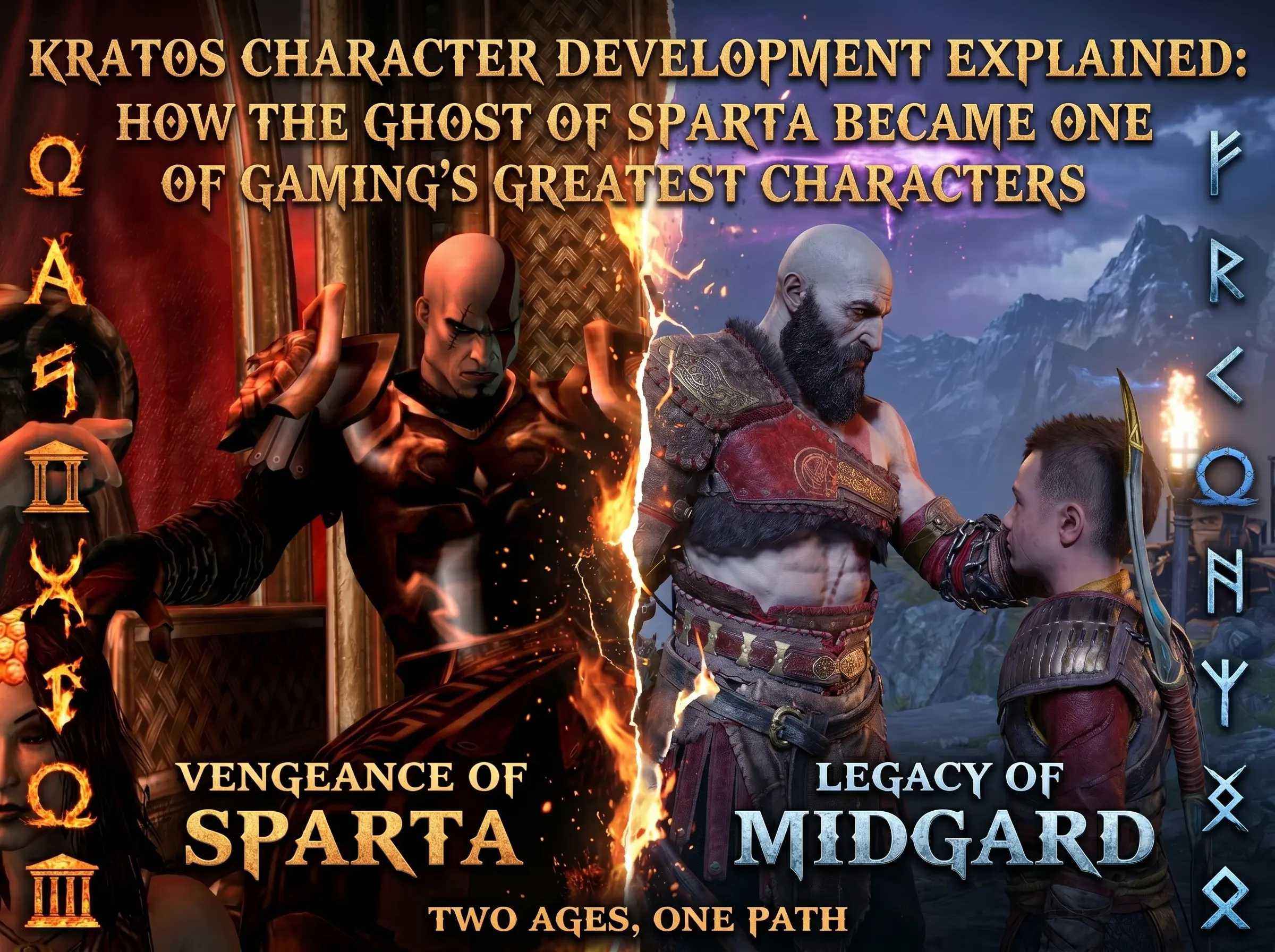
Welcome To MovieAnimeX ! Few characters in gaming history have undergone a transformation as remarkable as Kratos.
When the original God of War released in 2005, Kratos was known for one thing: rage. He was a brutal Spartan warrior who tore through gods, monsters, and armies with unmatched fury. To many players, he was the ultimate embodiment of revenge—a man whose anger was so powerful that it could bring Olympus itself to its knees.
But over the years, something extraordinary happened.
Kratos evolved.
What began as the story of a vengeful warrior became one of the most compelling character journeys ever told in gaming. The Ghost of Sparta transformed from a man consumed by hatred into a father, mentor, and leader who learned the value of empathy, restraint, and hope.
Today, Kratos is remembered not just because he killed gods, but because he changed.
His journey resonates with millions of players because it feels deeply human. It is a story about grief, guilt, trauma, redemption, and the struggle to become a better person despite the mistakes of the past.
This is the complete story of Kratos’ character development and how the Ghost of Sparta became one of gaming’s greatest characters.
Who Was Kratos Before the Games?
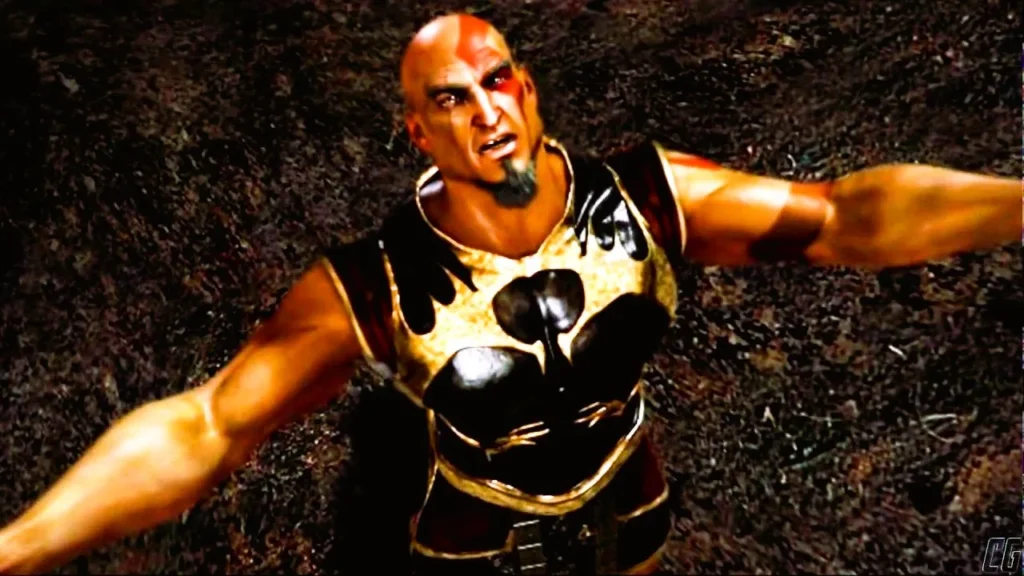
To understand Kratos, we must first understand the man before the monster.
Born in Sparta, Kratos grew up in one of the harshest societies in the ancient world. Strength was everything. Weakness was unacceptable. From childhood, Spartans were trained to become warriors, and Kratos embraced that life completely.
He was ambitious, determined, and incredibly skilled in battle. Yet beneath that strength was an overwhelming desire to prove himself.
As he rose through Sparta’s military ranks, his pride and hunger for victory grew stronger. Eventually, those qualities led him to the defining moment of his life.
During a battle against barbarian forces, Kratos faced certain defeat. Desperate to survive, he called upon Ares, the God of War.
Ares answered.
In exchange for his loyalty, Kratos received immense power and the legendary Blades of Chaos. Believing he had secured victory and glory, Kratos willingly became Ares’ servant.
It was the worst decision of his life.
Manipulated by Ares, Kratos unknowingly slaughtered his own wife and daughter. The ashes of their bodies were magically bonded to his skin, forever marking him as the Ghost of Sparta.
That moment shattered Kratos psychologically.
From then on, every action, every battle, and every decision would be influenced by the guilt and trauma of that tragedy.
God of War (2005): The Birth of the Monster
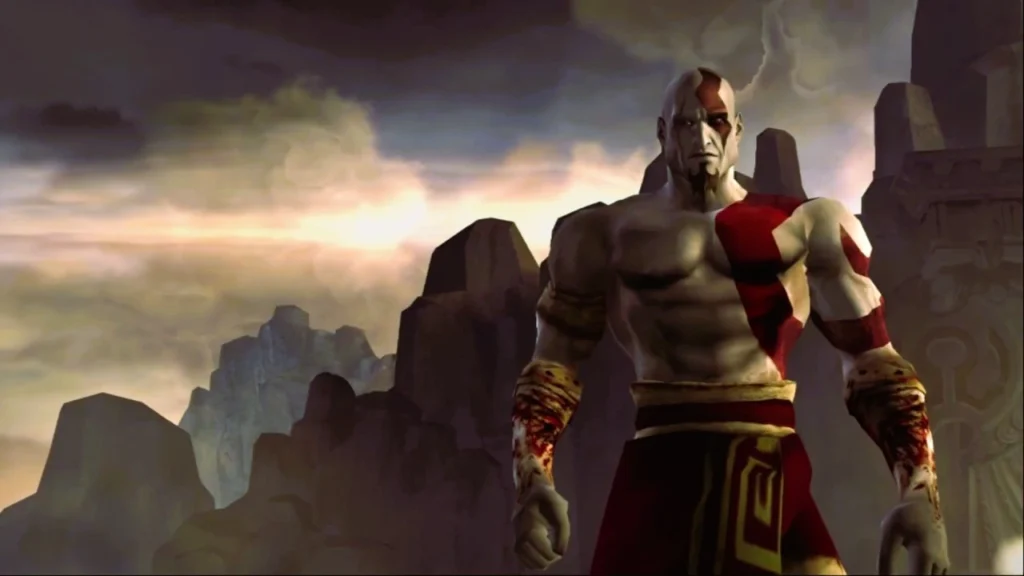
When players first meet Kratos in God of War, he is already a broken man.
For years, he has served the Olympian gods in hopes that they will free him from the nightmares haunting him. Every night, he relives the moment he murdered his family. Every day, he searches for a purpose that might ease his suffering.
His mission to kill Ares appears simple on the surface, but psychologically it is far more complex.
Kratos believes revenge will heal him.
He convinces himself that killing Ares will somehow erase the pain, guilt, and trauma consuming his life. Yet throughout the game, it becomes clear that his greatest enemy is not Ares.
It is himself.
Kratos is driven by self-hatred as much as anger. The ashes covering his skin constantly remind him of his failure. Every monster he kills and every challenge he overcomes is ultimately an attempt to escape his own guilt.
When Kratos finally defeats Ares, he achieves the goal that has defined his existence.
But nothing changes.
His family remains dead.
His nightmares remain.
His pain remains.
The ending of the original God of War establishes one of the most important themes in Kratos’ character arc: revenge cannot heal emotional wounds.
Chains of Olympus: The Humanity Beneath the Rage
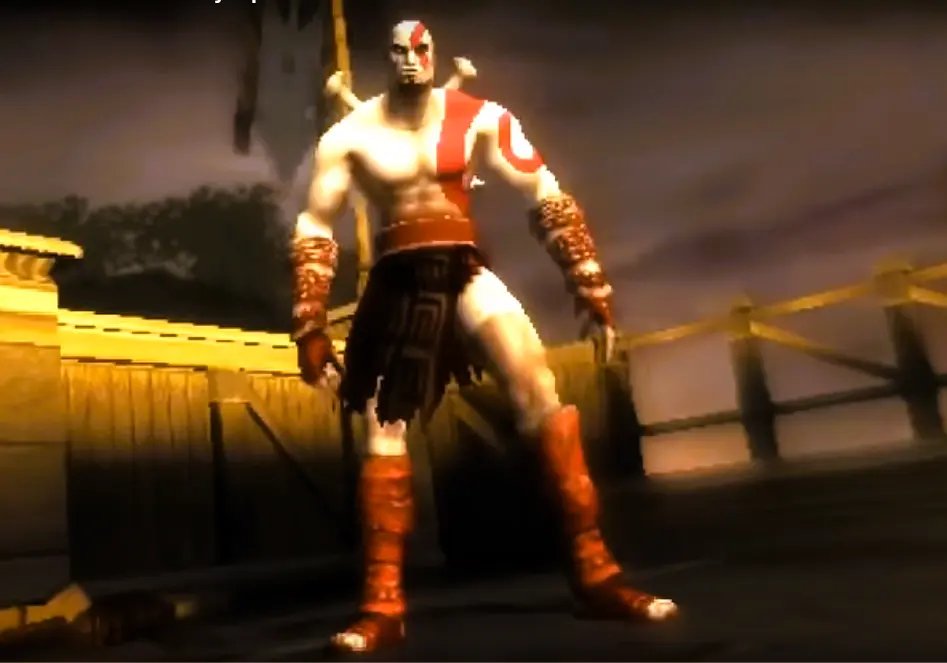
God of War: Chains of Olympus reveals a side of Kratos that many players rarely see.
While serving the gods, Kratos encounters a vision of his daughter Calliope in the Elysian Fields. For a brief moment, he experiences something he has not felt in years.
Peace.
He has the opportunity to stay with his daughter forever and finally escape his suffering.
Yet Kratos chooses sacrifice.
He abandons the happiness he desperately wants in order to save the world.
This decision is important because it shows that beneath the rage still exists a man capable of love.
The Ghost of Sparta may be feared by everyone around him, but he remains a grieving father who longs for the family he lost.
For the first time, players see that Kratos is not simply a killing machine.
He is human.
Ghost of Sparta: Family Trauma and Emotional Scars
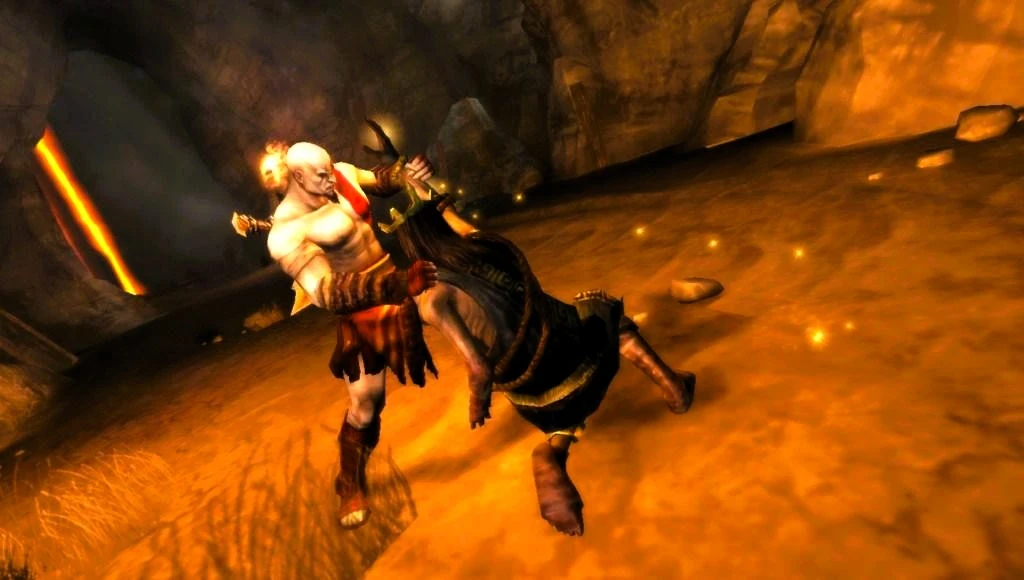
If Chains of Olympus revealed Kratos’ humanity, Ghost of Sparta revealed the origins of his deepest emotional wounds.
The story focuses on his relationship with his mother and his brother, Deimos.
As a child, Kratos witnessed Deimos being taken by the gods because of a prophecy. For years, he believed his brother was lost forever.
When the brothers finally reunite, the moment is bittersweet.
Deimos blames Kratos for failing to save him. Their relationship is strained by years of pain and separation.
Just as they begin to reconnect, tragedy strikes once again.
Deimos dies.
For Kratos, this loss confirms a belief he has carried throughout his life: everyone he loves suffers.
The death of his brother deepens his hatred toward Olympus and reinforces his growing sense of isolation.
At this stage, Kratos no longer views the gods as flawed rulers.
He views them as the source of every tragedy in his life.
God of War II: From Victim to Destroyer
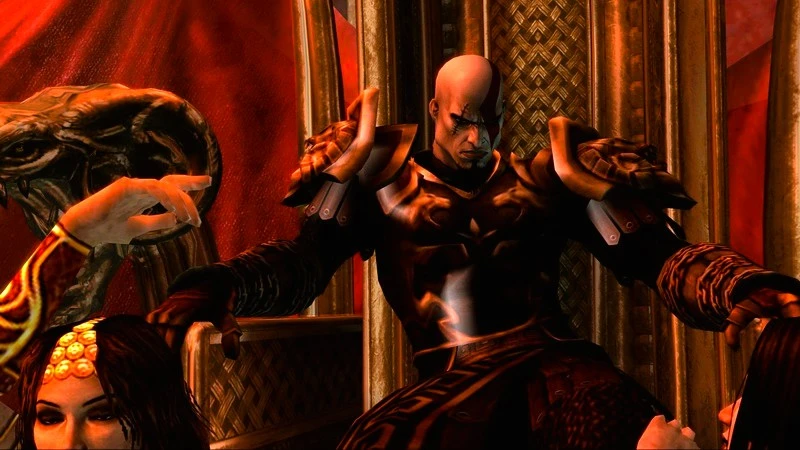
After killing Ares, Kratos ascends to godhood and becomes the new God of War.
But power does not bring peace.
Instead, it amplifies his anger.
Unable to let go of his past, Kratos becomes increasingly reckless and aggressive. His obsession with conquest creates tension between him and the Olympian gods.
Then comes another devastating betrayal.
Zeus strips Kratos of his powers and kills him.
For most people, such a betrayal would be a tragedy.
For Kratos, it becomes fuel.
His desire for revenge grows stronger than ever.
This is where Kratos undergoes a crucial transformation. He is no longer simply reacting to injustice.
He actively embraces destruction.
The line between victim and villain begins to blur.
Players understand his pain, but they also witness how that pain is slowly consuming him.
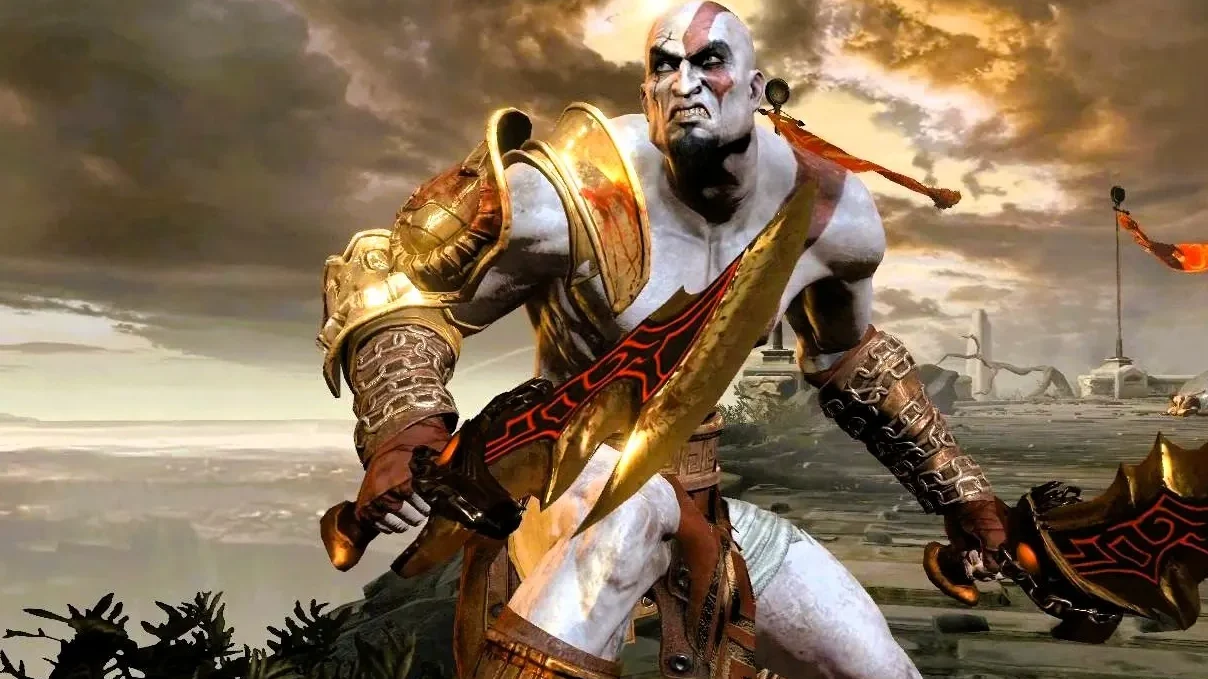
God of War III: The Darkest Version of Kratos
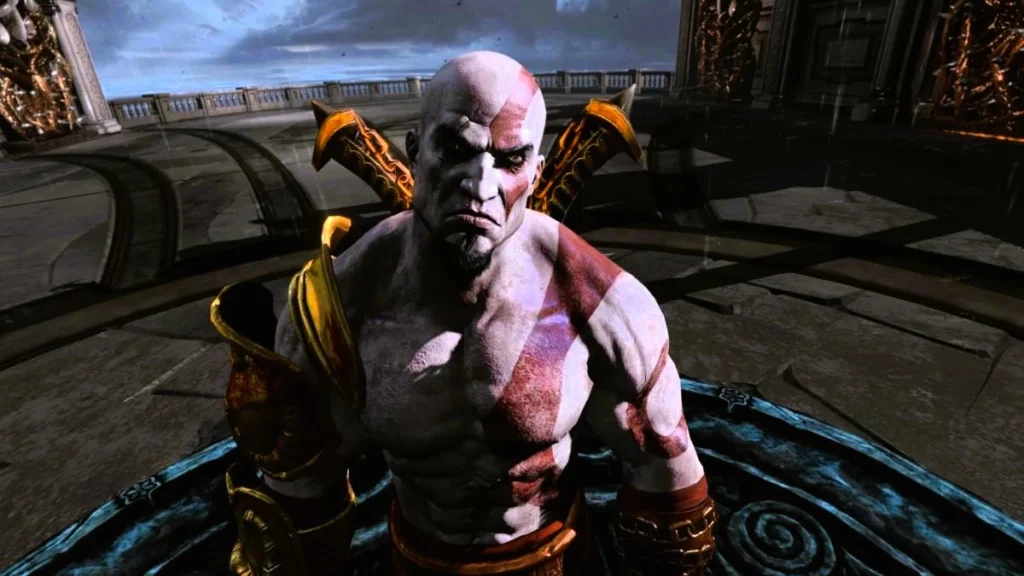
God of War III presents Kratos at his absolute lowest.
Consumed by vengeance, he launches an all-out assault on Olympus. His only goal is to kill Zeus, regardless of the consequences.
And the consequences are catastrophic.
As gods fall, Greece descends into chaos. Floods, plagues, storms, and destruction spread across the world.
Yet Kratos continues forward.
What makes God of War III fascinating is that it constantly challenges players to question whether Kratos has become the very monster he despises.
His encounters throughout the game reveal different aspects of his personality.
His relationship with Pandora is particularly important.
Pandora reminds Kratos of the daughter he lost. Through her, players witness cracks in the armor he has built around himself.
For perhaps the first time in years, Kratos cares about someone else’s future more than his own revenge.
It is a subtle but significant moment.
Even at his darkest, the capacity for compassion still exists within him.
When Zeus finally dies, Kratos achieves everything he thought he wanted.
Yet the victory feels empty.
Olympus is destroyed.
Greece is ruined.
His family is still gone.
And he remains haunted by his past.
The lesson is clear.
Revenge has cost Kratos everything.
The End of Greece: A Broken Man
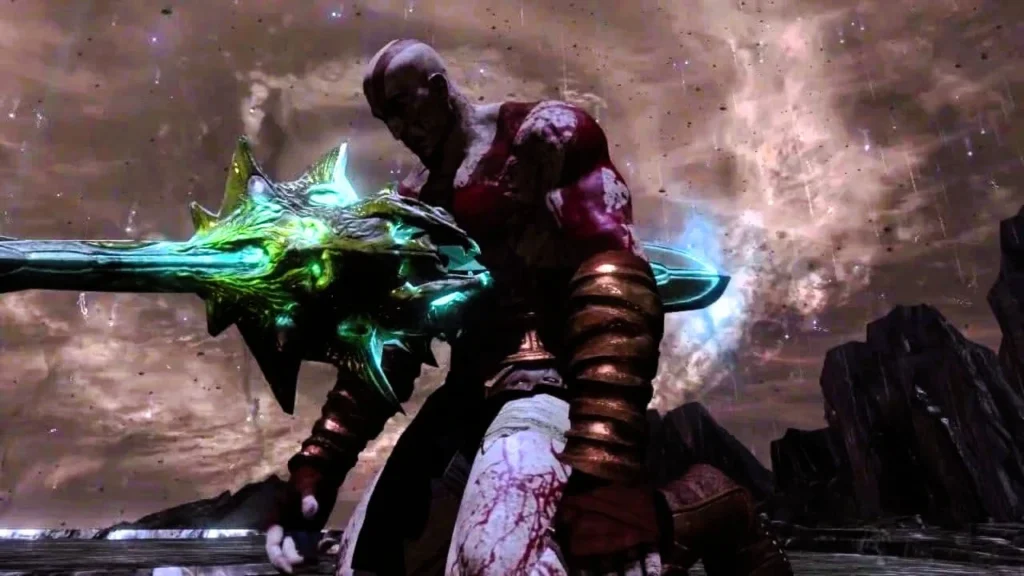
The destruction of Olympus marks the end of one chapter and the beginning of another.
Kratos survives, but emotionally he is exhausted.
For years, he believed revenge would bring closure.
Instead, it left him with even more pain.
This realization changes everything.
For the first time, Kratos is forced to confront the possibility that his greatest enemy was never Ares, Zeus, or Olympus.
It was the rage within himself.
The Ghost of Sparta leaves Greece not as a conqueror, but as a broken man searching for a new purpose.
God of War (2018): The Beginning of Redemption
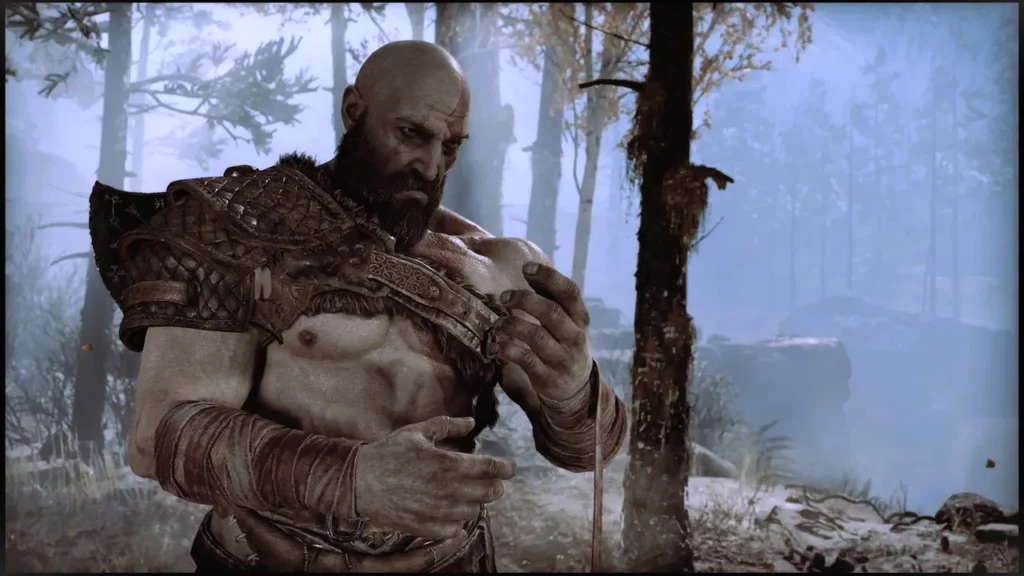
When Kratos returns in God of War (2018), he is almost unrecognizable.
The reckless warrior of Greece has become older, quieter, and more reflective.
Yet his past continues to haunt him.
Now living in the Norse realms, Kratos is raising his son Atreus following the death of his wife, Faye.
Unlike previous games, the central conflict is not revenge.
It is fatherhood.
Kratos fears that Atreus will inherit the same anger and violence that once defined him. More importantly, he fears becoming the kind of father who fails his child.
Throughout the journey, Kratos struggles to express affection. Years of emotional trauma have made vulnerability difficult for him.
One of the game’s most memorable aspects is watching him slowly learn how to be a parent.
Instead of teaching Atreus how to conquer, he teaches responsibility.
Instead of encouraging hatred, he teaches discipline.
Most importantly, he begins sharing the lessons he learned through suffering.
Perhaps the most powerful moment comes when Kratos tells Atreus about his past and admits the mistakes he has made.
The younger Kratos would have hidden those truths.
The older Kratos confronts them.
That honesty represents enormous growth.
How Important Relationships Changed Kratos
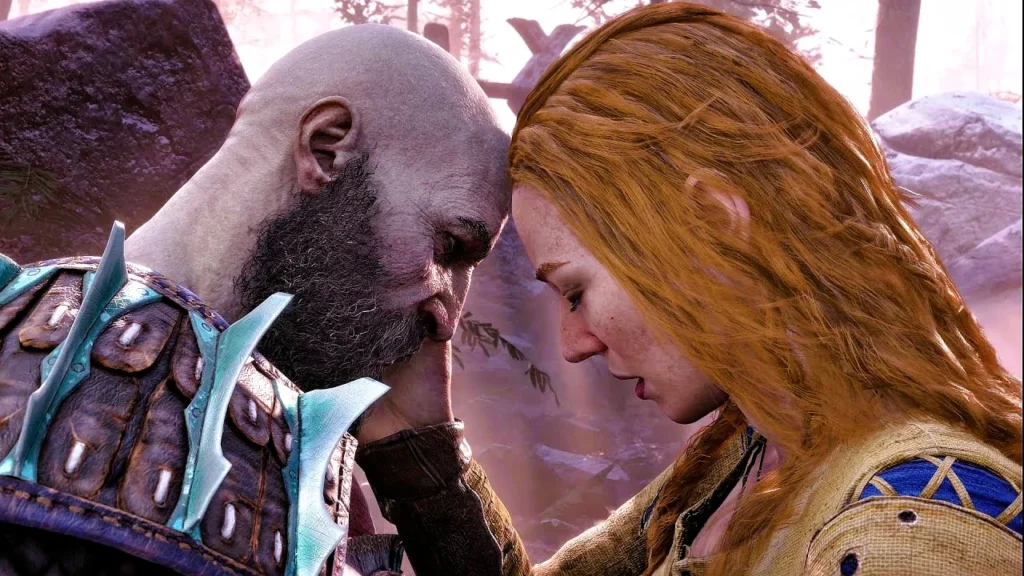
Kratos’ evolution is shaped by the people he encounters throughout his life.
Ares exploited his ambition and transformed him into a weapon.
Athena taught him that even guidance can come with manipulation.
Zeus fueled his obsession with revenge through betrayal.
Deimos reminded him of the importance of family and the pain of loss.
Pandora awakened compassion during his darkest moments.
Faye became the first person who truly believed he could be more than his past.
Mimir challenged his worldview and encouraged reflection rather than violence.
Freya forced him to understand grief from another perspective.
Atreus changed everything.
More than any god, monster, or enemy, Atreus became the reason Kratos chose growth over destruction.
God of War Ragnarök: The Wise Warrior
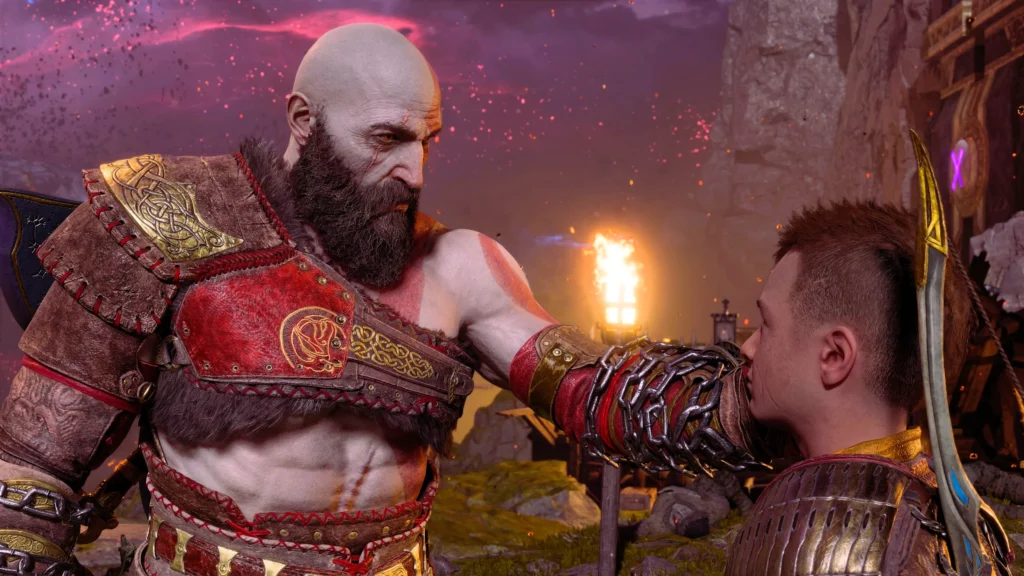
God of War Ragnarök completes Kratos’ transformation.
This is no longer the man who charges into battle seeking revenge.
This is a leader.
A mentor.
A father.
Throughout Ragnarök, Kratos repeatedly chooses understanding over anger. He listens to others, considers consequences, and seeks solutions that avoid unnecessary suffering.
Most importantly, he rejects the cycle that defined his entire life.
The younger Kratos believed violence was the answer to every problem.
The older Kratos understands that true strength lies in restraint.
One of the game’s most powerful themes is hope.
For the first time, Kratos begins to believe that he deserves a future.
He no longer sees himself solely as a destroyer.
He begins to see himself as a protector.
That shift represents the culmination of years of growth and self-reflection.
Kratos Then vs Kratos Now
The contrast between the Greek and Norse versions of Kratos is extraordinary.
The younger Kratos was driven by revenge. The older Kratos is guided by responsibility.
The younger Kratos sought power. The older Kratos seeks wisdom.
The younger Kratos isolated himself from others. The older Kratos builds meaningful relationships.
The younger Kratos believed strength meant domination. The older Kratos understands that strength also means compassion.
Yet despite these differences, both versions remain the same person.
The difference is that one is controlled by trauma, while the other has learned from it.
Themes Behind Kratos’ Development
Kratos’ journey explores some of the most powerful themes in storytelling.
Grief shapes nearly every stage of his life.
Guilt drives many of his decisions.
Trauma influences his behavior and relationships.
Fatherhood gives him a reason to become better.
Redemption proves that people are capable of change.
Forgiveness teaches him to stop defining himself solely through his mistakes.
Most importantly, his story is about breaking generational cycles.
Kratos refuses to allow Atreus to inherit the same emotional scars that shaped his own life.
That decision becomes his greatest achievement.
Why Kratos Has One of Gaming’s Best Character Arcs
Many video game protagonists remain largely unchanged throughout their stories.
Kratos is different.
His transformation spans decades of storytelling and multiple generations of players.
He begins as a man consumed by hatred and ends as someone capable of wisdom, empathy, and hope.
More importantly, his growth feels earned.
Every loss, every failure, and every relationship contributes to his evolution.
Players connect with Kratos because his struggles feel real. While few people will battle gods, many understand regret, grief, guilt, and the desire to become a better person.
His journey reminds us that our past does not have to define our future.
MovieAnimeX Verdict
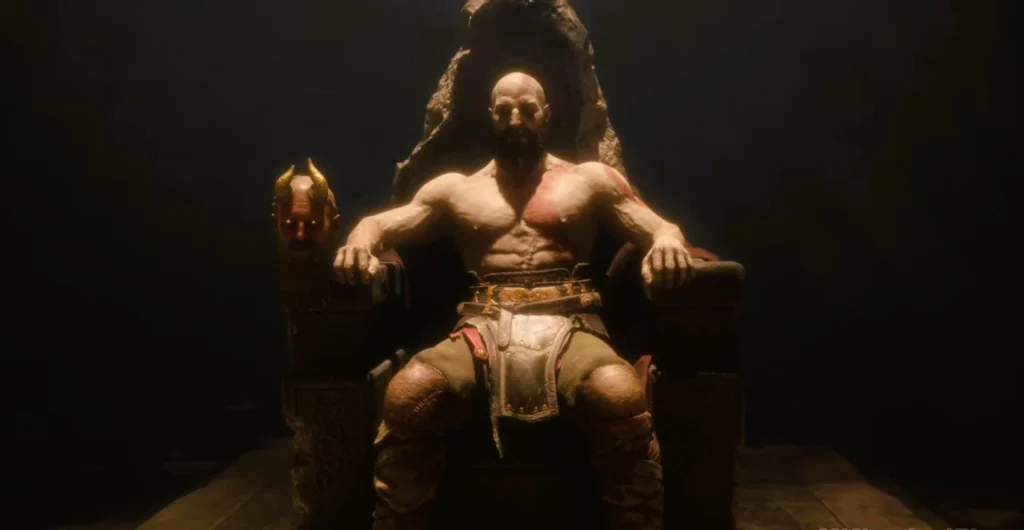
Kratos is far more than a gaming icon.
He is one of the finest examples of character development ever created in interactive storytelling.
His journey from the Ghost of Sparta to the wise warrior of Ragnarök demonstrates that true strength is not measured by the enemies we defeat, but by the flaws we overcome. Across decades of games, Kratos evolved from a symbol of vengeance into a symbol of redemption.
That transformation is what makes him unforgettable.
Years from now, players will remember Kratos for defeating gods and changing the fate of entire worlds. But his greatest achievement was something far more personal.
He learned how to become a better man.
Conclusion
The story of Kratos is not ultimately about gods, monsters, or epic battles.
It is about growth.
It is about confronting guilt, surviving trauma, embracing responsibility, and choosing a better path despite a painful past.
From the blood-soaked battlefields of Sparta to the frozen realms of Norse mythology, every chapter of Kratos’ journey pushed him toward a simple but powerful truth: a person is not defined by their worst mistakes.
In the end, Kratos’ greatest victory was never defeating Ares, Zeus, or Odin.
It was conquering the monster within himself.

1 Comment
Comments are closed.