
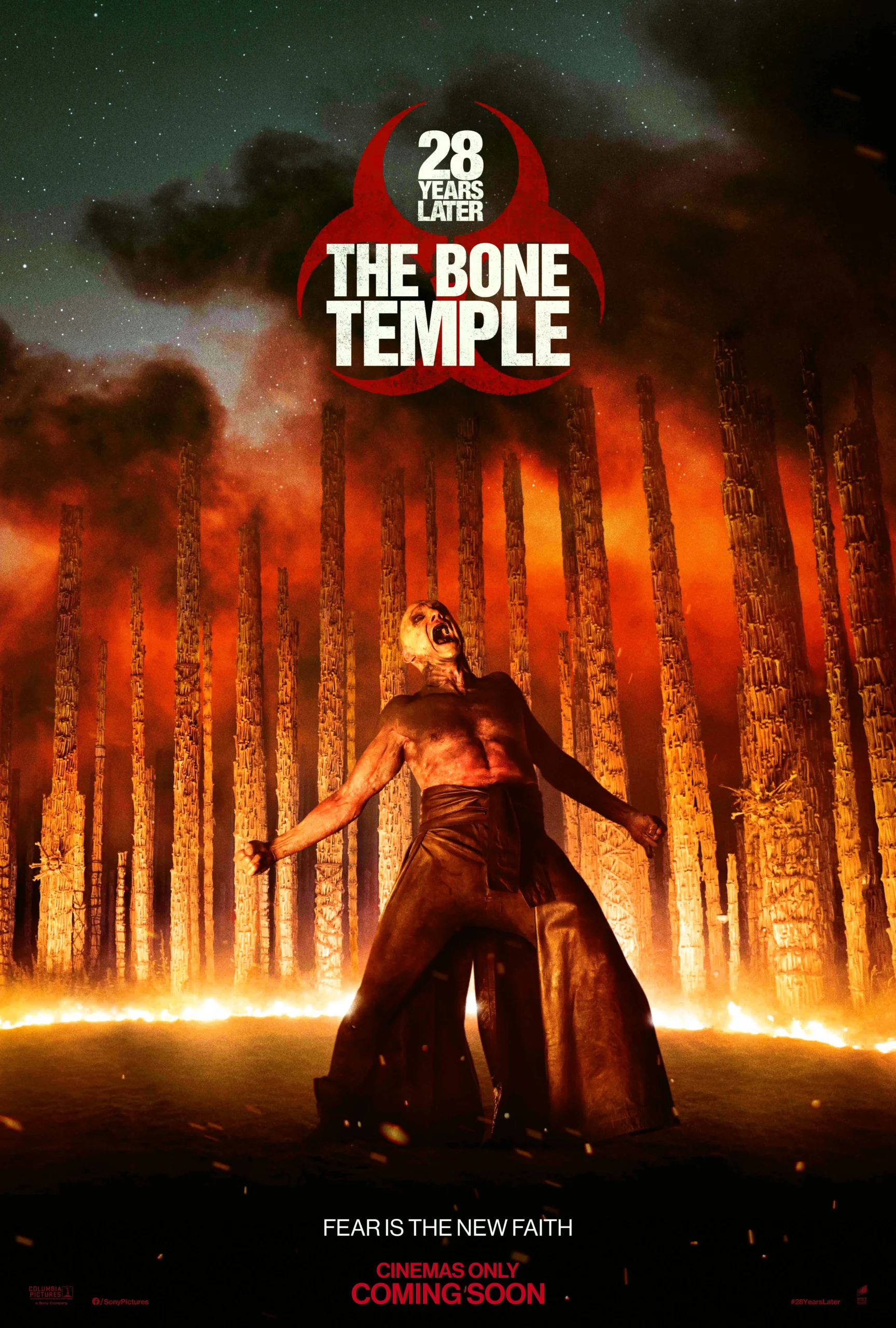
Welcome To MovieAnimeX ! The 28 Days Later franchise was never about zombies alone. It was about fear, isolation, and the slow collapse of humanity when survival becomes more important than morality. With 28 Years Later: The Bone Temple, the series returns after decades—not to relive old glory, but to confront the audience with a far darker question:
What happens when humanity survives… but loses its soul?
This is not a fast-paced zombie thriller meant to entertain casually. The Bone Temple is a heavy, uncomfortable, and deeply unsettling horror film that stays with you long after the credits roll.
👉If you like this review and want to help us grow financially, then you can do it by purchasing products in the blog; they are affiliated links. It gives us commissions but no extra cost to you. The affiliated links are indicated by pointing emoji.
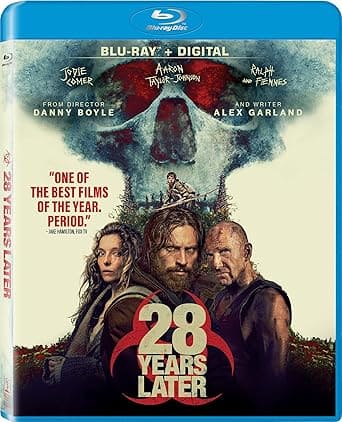
👉28 Years Later – Blu-ray + Digital
Table of Contents
Ratings
- MovieAnimeX:- 8/10
- IMDb:- 7.8/10
- Rotten Tomatoes Audience Score:- 89%
- Rotten Tomatoes Critics Score:- 93%
Trailer
Watch The Trailer Here:-
A World Where Hope Is Already Dead
Unlike earlier films in the franchise, 28 Years Later: The Bone Temple doesn’t show a world falling apart. That already happened long ago. What we see now is the aftermath of decades of survival, adaptation, and moral decay.
Society hasn’t rebuilt itself—it has evolved into something disturbing.
People live by new rules. Old values no longer exist. Survival is no longer heroic; it is ritualistic, ruthless, and sometimes horrifying. The film does an excellent job of showing how long-term trauma reshapes humanity. Every location feels cold, broken, and intentionally hostile.
The atmosphere is suffocating. Silence is used as a weapon. When violence occurs, it feels sudden and cruel—not cinematic or heroic.
This is a world where hope is not lost suddenly.
It has slowly rotted away.
Storytelling That Trusts the Audience
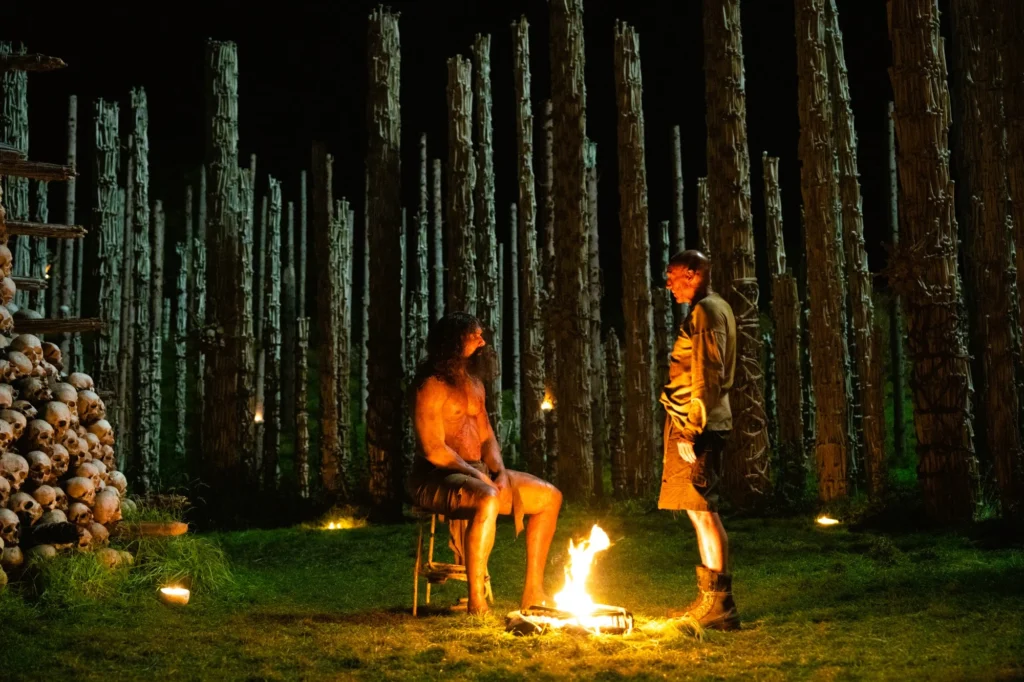
One of the strongest aspects of The Bone Temple is its minimalist storytelling. The film does not explain everything. It doesn’t hold your hand or overuse dialogue.
Instead, it lets:
- Visuals tell the story
- Small character actions reveal history
- The environment speak louder than exposition
Some viewers may find this approach slow or confusing—but that is intentional. The film wants you to feel disoriented, just like the characters living in this world.
This storytelling style rewards patient viewers. If you pay attention, you’ll notice layers of meaning beneath simple scenes. If you don’t, the film can feel cold and distant.
This is serious horror cinema, not popcorn entertainment.

Performances That Feel Raw and Real
The acting in 28 Years Later: The Bone Temple is one of its strongest pillars. Performances are subtle, restrained, and painfully realistic.
There are no dramatic monologues or over-the-top emotional moments. Instead, characters express fear, exhaustion, and trauma through:
- Body language
- Silence
- Hesitation
- Moral conflict
The actors make you believe they have lived in this nightmare for years. Their reactions feel instinctive, not scripted.
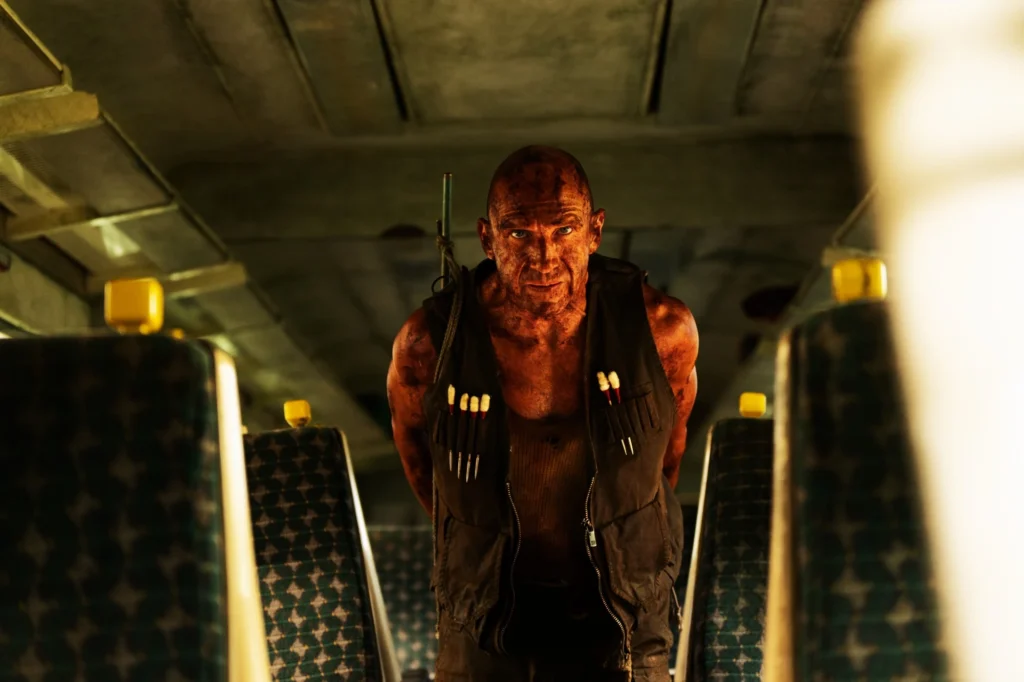
Ralph Fiennes, in particular, delivers a performance that is deeply unsettling without being exaggerated. His presence alone adds weight and menace to the film. Other cast members support the narrative well, especially younger characters who represent a generation born into horror rather than witnessing its beginning.
👉28 Years Later – Blu-ray + Digital
Horror That Is Psychological, Not Just Violent
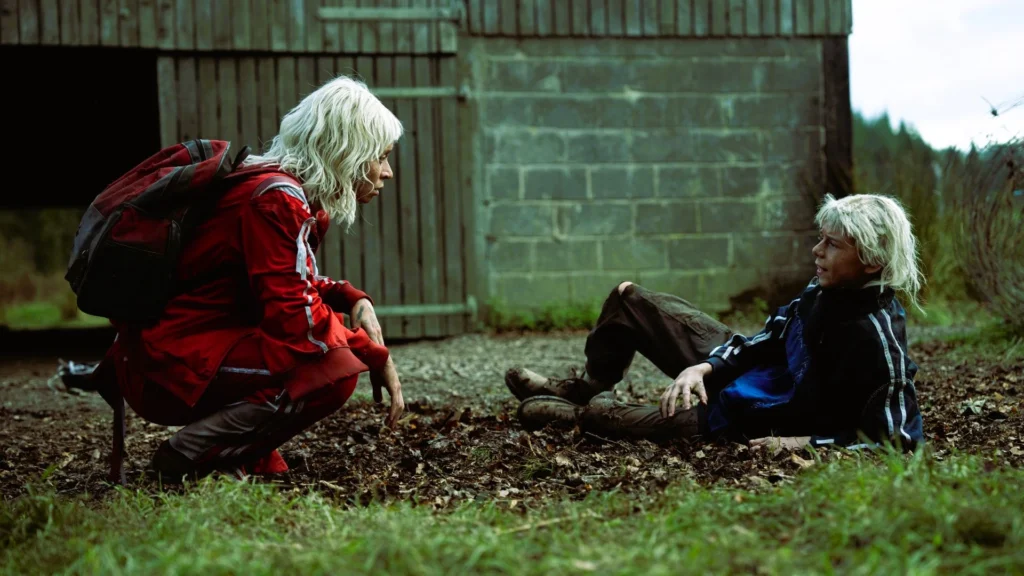
If you are expecting constant action or traditional zombie horror, The Bone Temple may surprise—or disappoint—you.
This film focuses on psychological horror:
- Fear of human behavior
- Loss of morality
- Acceptance of cruelty as normal
- Survival without empathy
Violence exists, but it is never glorified. When it happens, it feels ugly and wrong—exactly as it should. There are scenes that are deeply disturbing not because of gore, but because of what they imply about humanity.
The infected are still terrifying, but they are no longer the main horror.
The real horror is what people have become.

Direction and Cinematography: Cold, Brutal, Beautiful
Director Nia DaCosta brings a bold, confident vision to the franchise. Her direction emphasizes discomfort over spectacle. The camera often lingers just long enough to make scenes uneasy.
The cinematography is bleak but stunning:
- Muted colors
- Harsh lighting
- Wide empty spaces
- Claustrophobic interiors
Every frame reinforces the idea that this world is beyond saving. There are no “beautiful apocalypse” shots. Even visually striking moments feel emotionally hollow.
Sound design is equally important. Long stretches of silence, distant noises, and sudden audio shifts keep the audience constantly alert. Music is used sparingly, making its presence more impactful.
Themes That Make the Film Hit Harder
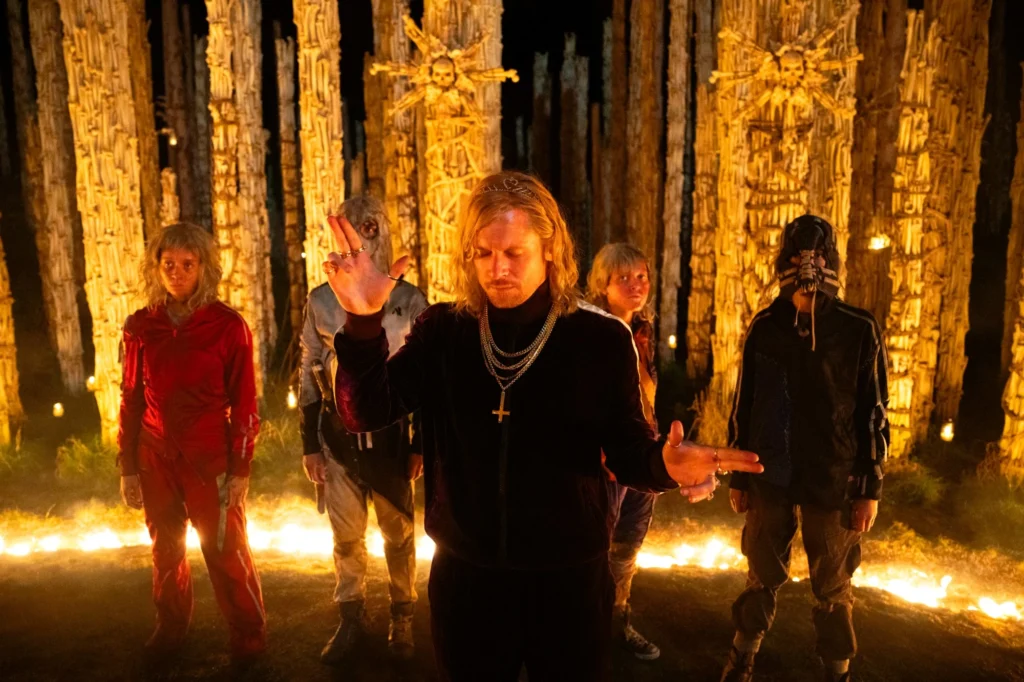
At its core, 28 Years Later: The Bone Temple is not about infection—it is about adaptation.
The film explores:
- How trauma reshapes morality
- Whether survival justifies cruelty
- What happens when children grow up without ethics
- The difference between living and existing
These themes are never spelled out directly. They are woven into the narrative naturally, making the film feel intelligent and mature.
This is a movie that asks uncomfortable questions—and refuses to answer them for you.
👉28 Years Later – Blu-ray + Digital
Not a Film for Everyone (And That’s Okay)
It’s important to be honest.
This movie will not work for everyone.
You may dislike The Bone Temple if:
- You want fast-paced action
- You prefer clear explanations
- You expect nostalgia from the franchise
- You want traditional zombie thrills
However, if you enjoy:
- Slow-burn horror
- Thought-provoking cinema
- Dark psychological themes
- Films that challenge comfort
Then 28 Years Later: The Bone Temple will leave a strong impression.
How It Compares to Previous Films
Compared to 28 Days Later and 28 Weeks Later, this film feels:
- More mature
- More disturbing
- Less action-driven
- More philosophical
It doesn’t try to recreate the shock of the original. Instead, it builds upon its consequences. This makes it feel like a natural, if uncomfortable, evolution of the franchise.
Final Verdict: Is 28 Years Later: The Bone Temple Worth Watching?
Yes—but only if you’re prepared.
28 Years Later: The Bone Temple is a bold, uncompromising horror film that refuses to entertain casually. It challenges viewers emotionally and morally, offering a haunting vision of a future where humanity survives—but at a terrible cost.
This is not a film you watch for fun.
It is a film you experience, process, and remember.
Ratings: 8/10
A disturbing, intelligent, and emotionally heavy continuation of the franchise that proves horror can still evolve.

1 Comment
Comments are closed.